Products
High Alumina Castable
• Al₂O₃ Content: ≥65%
• Bulk Density: 2.5–2.6 g/cm³
• Service Temperature: Up to 1400°C
• Cold Crushing Strength: 45–60 MPa
• Mixing Water: 10–12%
• Function: High Strength & Thermal Shock Resistance & Corrosion Resistance & Monolithic Lining
Product Introduction
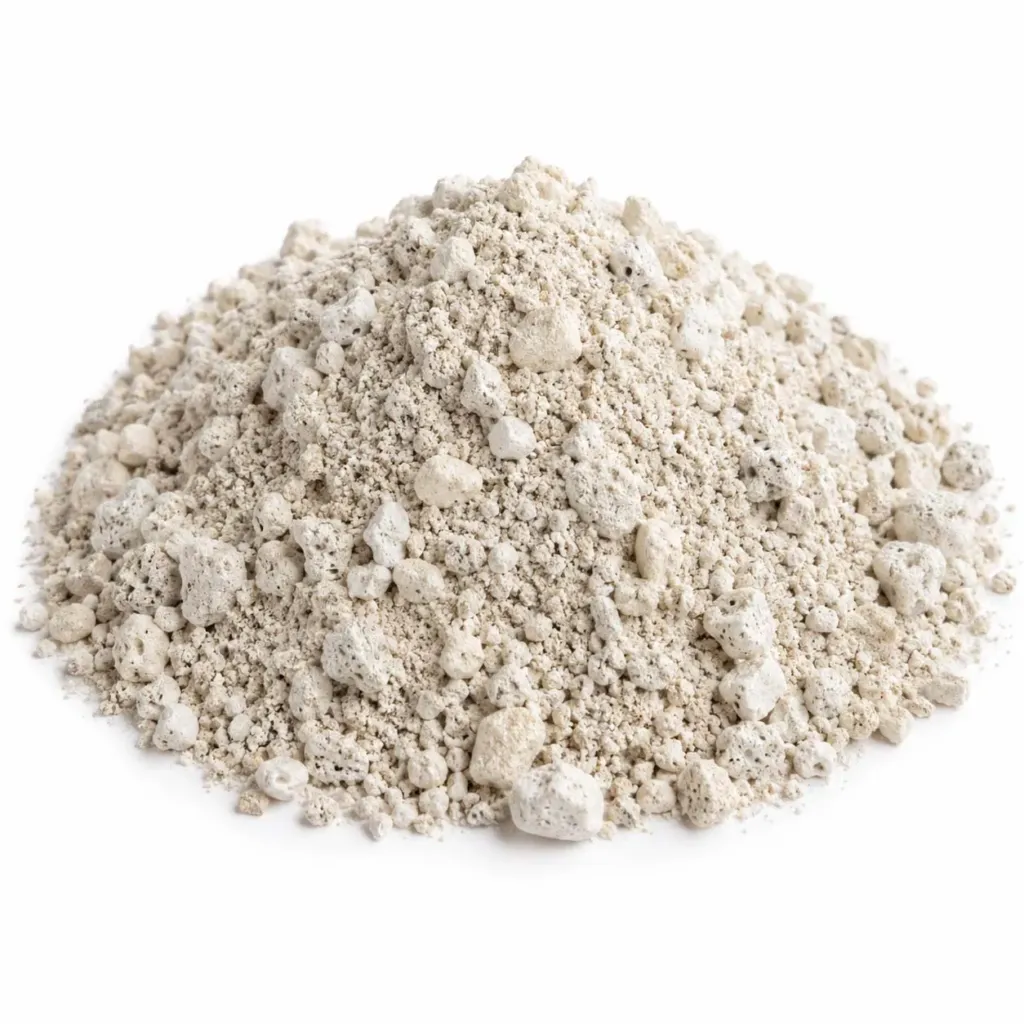
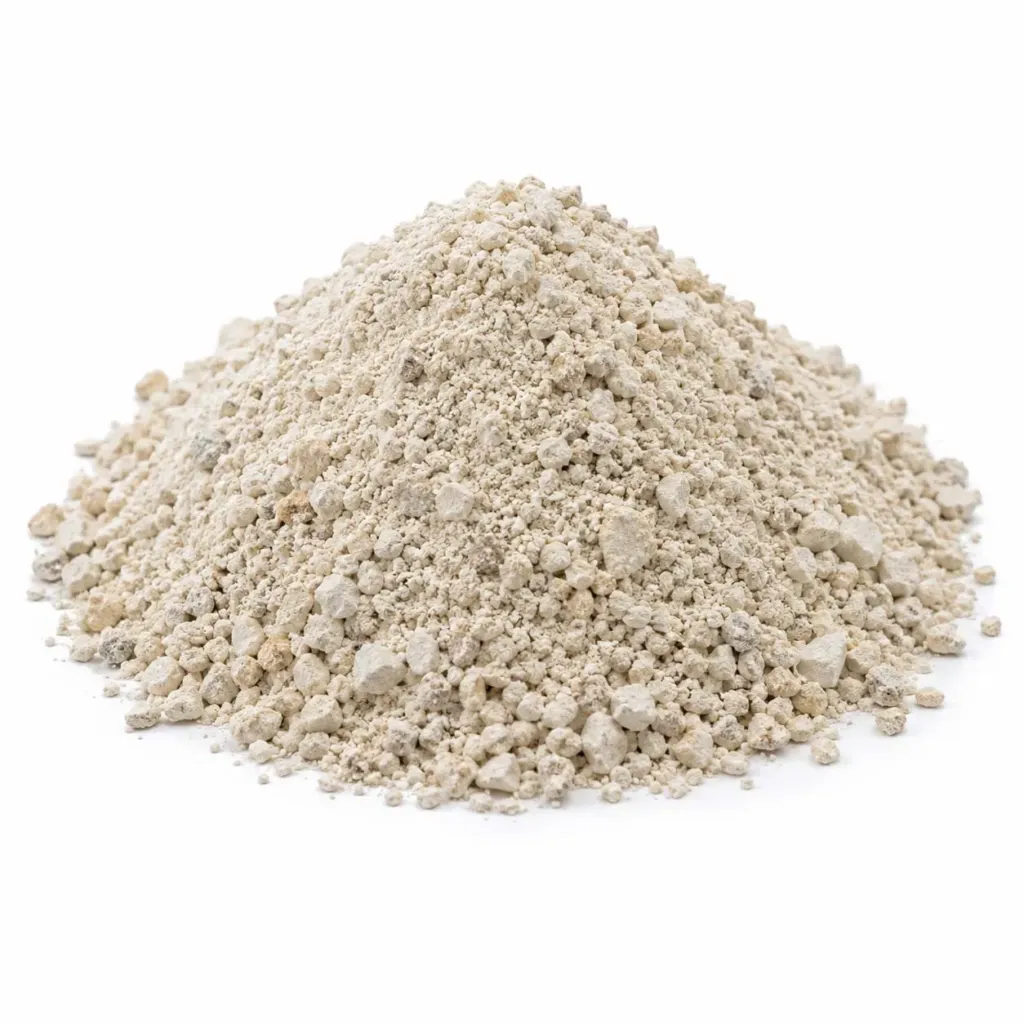
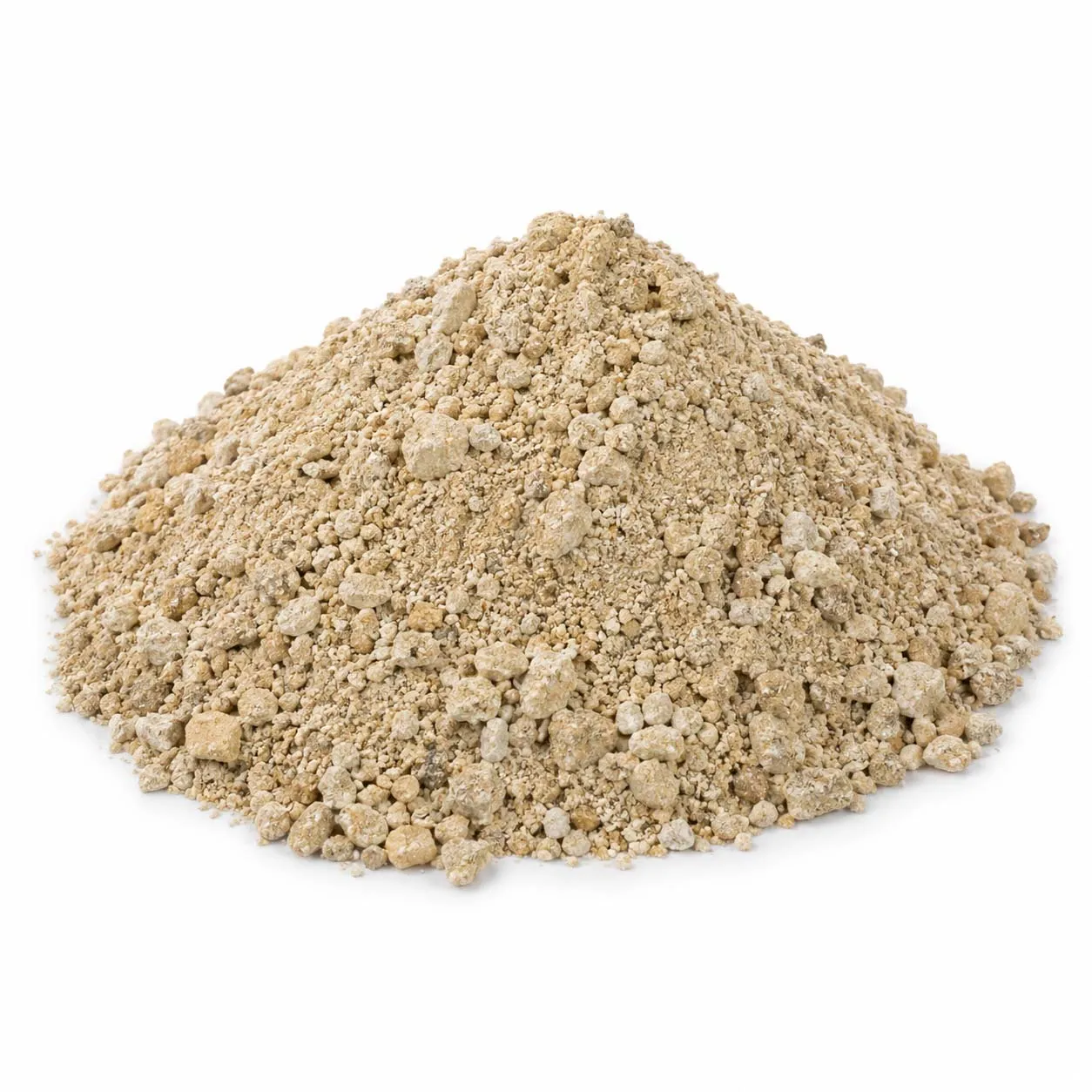
High Alumina Castable is an unshaped refractory material made from high-alumina bauxite aggregates, refractory powders, calcium aluminate cement and selected additives.
The raw materials are supplied as a dry mixture. After adding the specified amount of clean water and mixing evenly, the material can be poured into the required area and compacted by vibration to form a strong monolithic refractory lining.
High Alumina Castable provides good mechanical strength, thermal shock resistance and high-temperature stability. It can reduce the number of joints in the furnace lining and is suitable for constructing large, irregular or complex refractory structures.
The material can be cast directly at the construction site or manufactured into refractory precast blocks according to furnace drawings and installation requirements.
Features
- High mechanical strength.
- Good high-temperature stability.
- Good thermal shock resistance.
- Good resistance to rapid heating and cooling.
- Good resistance to slag penetration.
- Good resistance to chemical corrosion.
- Strong and durable monolithic lining.
- Fewer lining joints than refractory brick masonry.
- Suitable for complex and irregular furnace structures.
- Easy casting and vibration installation.
- Can be made into refractory precast shapes.
- Long service life under suitable operating conditions.
Applications
High Alumina Castable is widely used for monolithic refractory linings in industrial furnaces, kilns and high-temperature equipment.
Typical applications include:
- Heating furnaces
- Reheating furnaces
- Soaking furnaces
- Heat treatment furnaces
- Rotary kilns
- Industrial furnace burner linings
- Heating furnace pipe linings
- Steel furnace components
- Petrochemical catalytic cracking reactors
- High-temperature wear-resistant linings
- Blast furnace iron runners
- Hot metal launders
- Iron troughs
- Furnace walls and roofs
- Refractory precast blocks
- Other high-temperature industrial equipment
High Alumina Castable can be applied by casting and vibration to form an integral lining. It can also be used to manufacture burner blocks, furnace door blocks, tapping-spout components and other refractory precast shapes. The reference product is listed for heating furnaces, soaking furnaces, heat-treatment furnaces, rotary kilns, burner linings, petrochemical reactors and iron-making equipment.
Construction:
Before construction, the installation surface should be clean and free from dust, oil, loose refractory material and other impurities.
Use clean drinking-quality water and accurately control the water addition. Excess water may reduce the density, mechanical strength and service performance of the castable.
Add the dry material into the mixer and mix briefly before adding water. Add the specified amount of water gradually and continue mixing until the material reaches a uniform casting consistency.
Pour the mixed material into the formwork immediately and compact it with a suitable vibration tool. Avoid excessive vibration, which may cause aggregate segregation.
After casting, the lining should be properly cured, dried and heated according to the recommended schedule. Rapid heating may cause internal steam pressure, cracking or lining damage.
The exact mixing, curing and heating procedures should follow the Jiuhua product data sheet and actual project conditions.
Technical Data:
| Index | High Alumina Castable | |
| Al2o3 % | 65 | |
| Sio2 % | 30 | |
| Cao % | 6 | |
| Bulk density g/cm³ | 110℃,24h | 2.5 |
| 1350℃,24h | 2.6 | |
| Cold bending strength MPA | 110℃,24h | 6 |
| 1350℃,24h | 7.5 | |
| Hot bending strength MPA | 110℃,24h | 45 |
| 1350℃,24h | 60 | |
| 1350 Burning line rate of change | 0.2 | |
| Mixing water consumption % | 10-12% | |
| Operating temperature | 1400 | |
Custom formulations and refractory precast shapes are available according to furnace operating temperature, working atmosphere, lining structure and project requirements.