News
Ceramic Fiber Blanket for High-Temperature Pipe Insulation
Introduction
High-temperature pipelines can lose significant heat during operation, resulting in higher energy consumption and increased surface-temperature risks. Ceramic fiber blanket provides a lightweight and flexible insulation solution for controlling heat loss in industrial piping systems.
Material Features
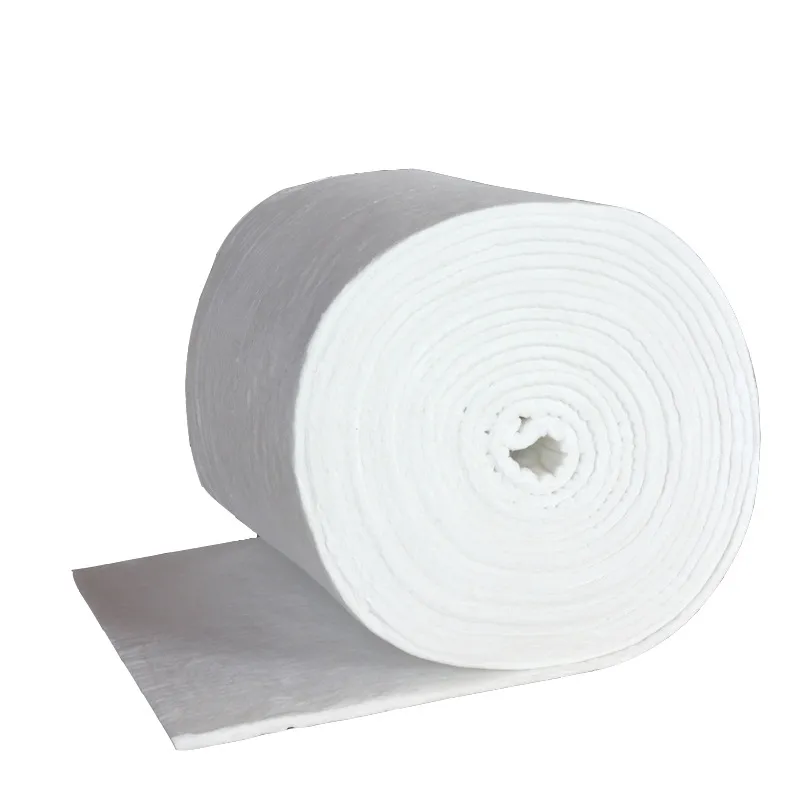
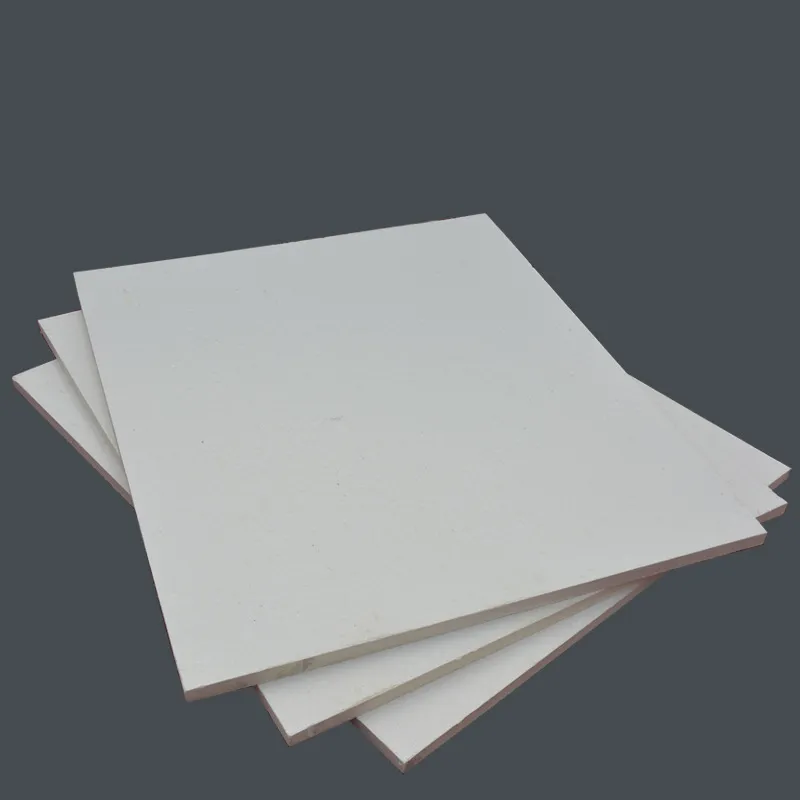
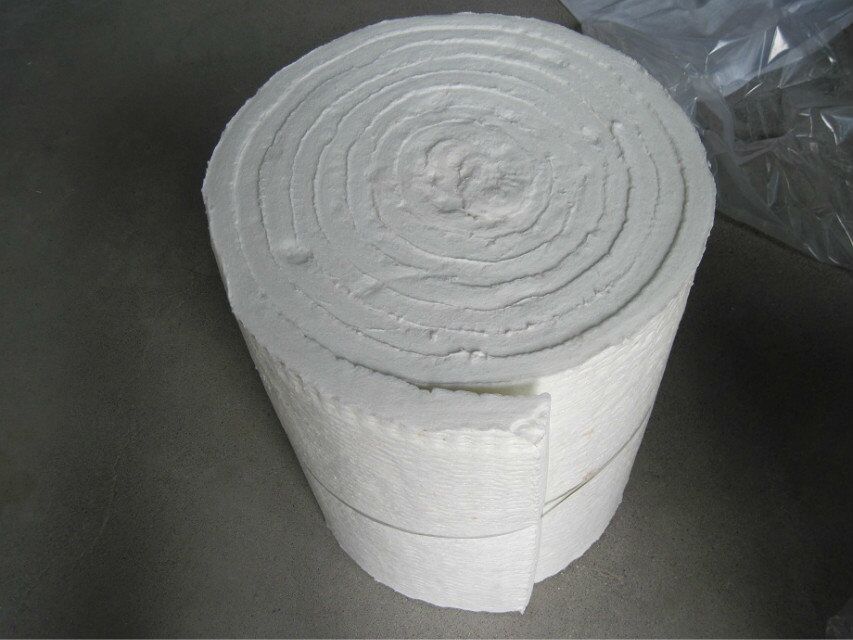
Ceramic fiber blanket is produced from ceramic fibers formed through spinning or blowing processes. The fibers are needle-punched into a strong, flexible sheet that can be cut and wrapped around pipes, valves, elbows, and other irregular components.
Depending on the product grade, its temperature classification may range from approximately 1,100°C to 1,430°C. Its low thermal conductivity and resistance to thermal cycling make it suitable for demanding industrial environments.
Main Benefits
Ceramic fiber blanket offers several advantages for pipe insulation:
- Reduces heat loss from hot pipe surfaces
- Helps lower energy consumption
- Maintains more stable process temperatures
- Reduces external surface temperatures
- Adds minimal weight to piping systems
- Fits curved and irregular equipment
- Withstands rapid temperature changes
- Simplifies handling and installation
- Provides reliable fire resistance
- Can be installed in multiple layers
Its flexibility allows the insulation to fit closely around complex pipe sections, reducing gaps and improving overall thermal performance.
Applications and Installation
The material is commonly used for industrial pipelines, boilers, furnaces, exhaust systems, heat-treatment equipment, and removable insulation covers.
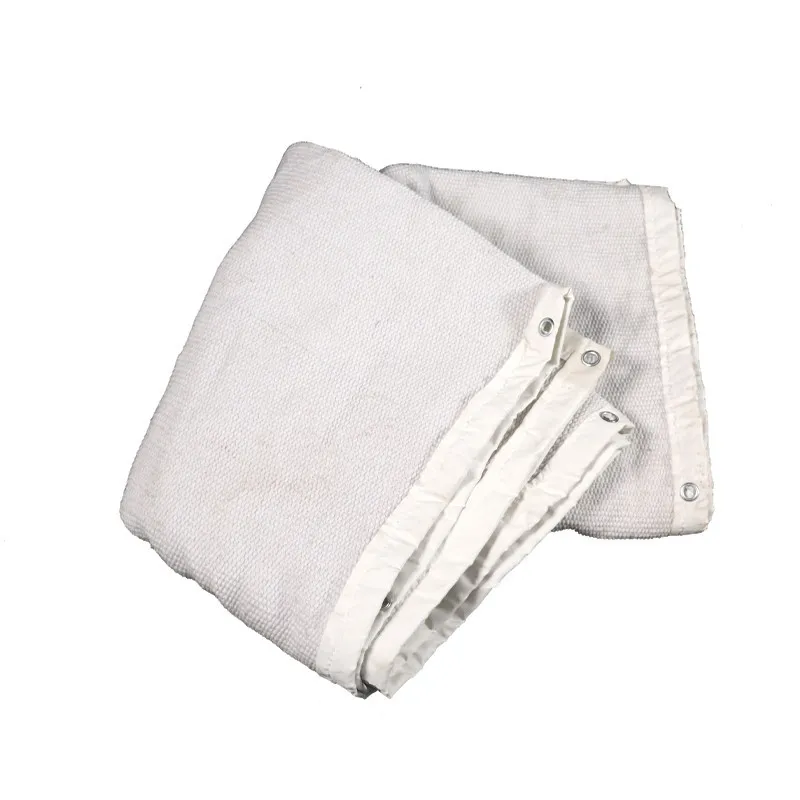
For better durability, the blanket may be secured with high-temperature wire or fasteners and protected with metal cladding or another suitable outer covering. The required thickness should be selected according to operating temperature, pipe size, and insulation targets.
Conclusion
Ceramic fiber blanket is an effective option for insulating high-temperature pipes. Its low weight, thermal stability, flexibility, and ease of installation can help improve energy efficiency, workplace safety, and equipment performance.
Proper product selection and installation are essential for achieving reliable long-term insulation results.