News
1260℃ Ceramic Fiber Board Selected by Polish Heating Equipment Supplier for Industrial Heating System Insulation
Project Background
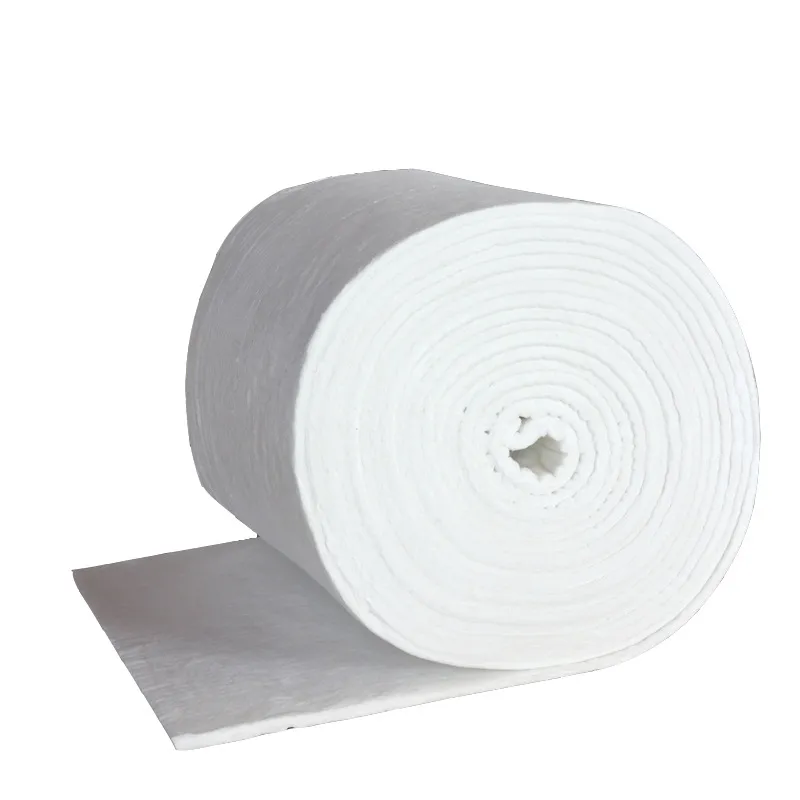
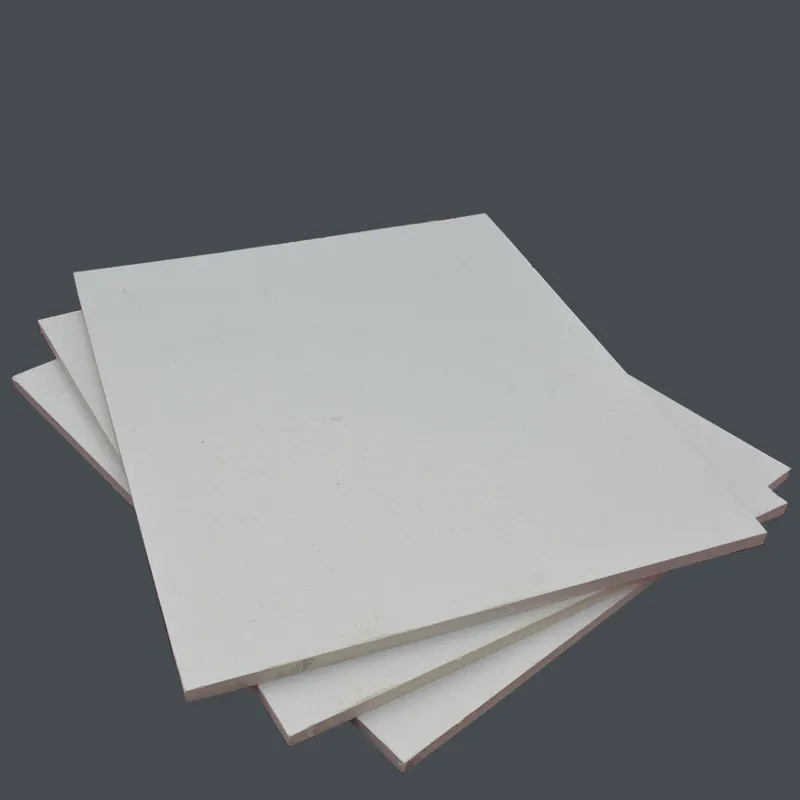
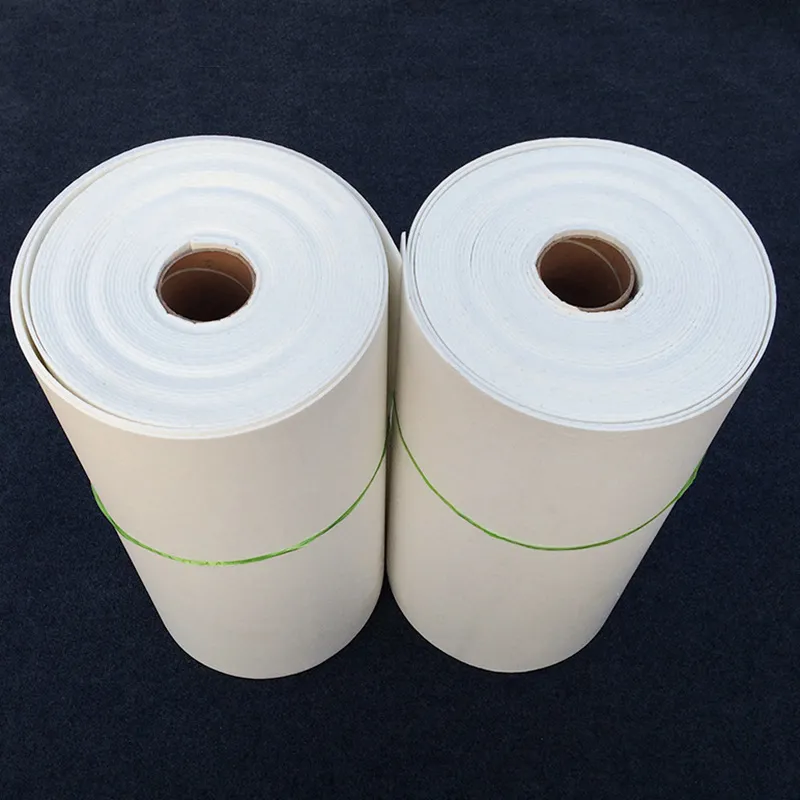
A heating equipment supplier from Poland recently selected our 1260℃ ceramic fiber board for use in an industrial heating system. The customer required an insulation material that could provide stable thermal performance, suitable mechanical strength, and reliable installation performance under continuous high-temperature operating conditions.
For heating equipment suppliers, insulation material is not only a consumable component. It directly affects the thermal efficiency, operating stability, safety performance, and long-term service reliability of the equipment. In many industrial heating systems, heat loss through the equipment structure can increase energy consumption, reduce heating efficiency, and create uneven temperature distribution inside the working chamber.
Based on the customer’s application requirements, we supplied ceramic fiber board with a thickness of 50mm and a density of 300kg/m³. This specification was selected to provide a balanced solution between insulation performance, board strength, and installation convenience.
Customer Challenge: Balancing Thermal Efficiency and Structural Stability
The Polish customer is a heating equipment supplier serving industrial users. Their equipment operates in high-temperature environments where insulation materials must withstand repeated heating cycles while maintaining stable performance.
In this type of application, the insulation layer needs to meet several technical requirements at the same time.
First, the material must reduce heat transfer from the heating chamber to the outer equipment structure. If the insulation layer is insufficient, heat loss may increase, resulting in higher energy consumption and reduced heating efficiency.
Second, the insulation material must maintain dimensional stability during operation. Heating equipment often experiences temperature fluctuations during start-up, operation, and shutdown. Materials with poor thermal stability may shrink, crack, or deform after repeated thermal cycles, affecting the integrity of the insulation layer.
Third, the material must be practical for equipment manufacturing and maintenance. For heating equipment suppliers, insulation boards should be easy to cut, shape, and install according to different equipment structures. A material that is too heavy or difficult to process may increase production time and installation cost.
The customer therefore needed a material that could provide dependable insulation performance while also being suitable for equipment assembly and long-term use.
Product Solution: 1260℃ Ceramic Fiber Board, 50mm Thickness, 300kg/m³ Density
To meet these requirements, we supplied 1260℃ ceramic fiber board with a thickness of 50mm and a density of 300kg/m³.
This ceramic fiber board is designed for high-temperature insulation applications and is commonly used in industrial furnaces, heating equipment, kilns, heat treatment systems, and other thermal processing units.
The 1260℃ temperature grade provides the board with the thermal capability required for demanding heating environments. For industrial heating systems, selecting a material with an appropriate temperature rating is essential because the insulation layer must remain stable under continuous exposure to high heat.
The 50mm thickness helps improve the insulation barrier between the heating zone and the external equipment structure. Compared with thinner insulation materials, a 50mm board can provide stronger resistance to heat transfer, making it suitable for equipment that requires better temperature retention and reduced surface heat loss.
The 300kg/m³ density provides improved mechanical strength compared with lower-density ceramic fiber insulation materials. This is especially important for heating equipment manufacturing, where the insulation board may need to be cut, fixed, and assembled into specific equipment designs. A suitable density helps the board maintain its shape during handling and installation while still retaining the lightweight advantages of ceramic fiber materials.
Why Ceramic Fiber Board Is Suitable for Heating Equipment Suppliers
For heating equipment suppliers, ceramic fiber board offers several practical advantages in both equipment design and production.
1. Improved Thermal Management
Ceramic fiber board has low thermal conductivity, which helps reduce heat transfer through the equipment wall. In industrial heating systems, this can support more efficient heat retention inside the working chamber.
Better insulation performance can help the equipment reach target operating temperatures more efficiently and reduce unnecessary heat loss during operation. For end users, this may contribute to improved energy efficiency and more stable process conditions.
2. Lightweight Compared with Traditional Refractory Materials
Traditional refractory bricks and dense insulation materials can add significant weight to heating equipment. Ceramic fiber board provides a lighter alternative while still offering high-temperature insulation performance.
For equipment suppliers, a lighter insulation structure can simplify equipment assembly, reduce handling difficulty, and support more flexible equipment design. This is particularly valuable when the heating system requires modular construction, easier maintenance, or reduced equipment load.
3. Good Processing and Installation Performance
Ceramic fiber board can be cut and shaped according to equipment requirements. This allows heating equipment suppliers to adapt the insulation material to different structures, panels, furnace linings, access doors, and internal thermal barriers.
The 50mm thickness used in this project provides enough insulation depth while remaining manageable during installation. The 300kg/m³ density also helps the board maintain better rigidity, which is useful when precise fitting and stable assembly are required.
4. Stable Performance During Thermal Cycling
Industrial heating equipment often goes through repeated heating and cooling cycles. The insulation material must maintain its structure during these changes to avoid gaps, deformation, or insulation failure.
The ceramic fiber board supplied for this project was selected to support stable performance under repeated thermal exposure. This helps the customer improve the reliability of the final heating equipment and reduce the risk of insulation-related maintenance issues.
Project Value for the Polish Customer
The cooperation with this Polish heating equipment supplier was not simply a product delivery. It was a material selection process based on the operating requirements of industrial heating equipment.
By using 1260℃ ceramic fiber board with 50mm thickness and 300kg/m³ density, the customer obtained an insulation material that supports:
- More effective heat retention inside the heating system
- Reduced heat loss through the equipment structure
- Stable insulation performance under high-temperature conditions
- Easier cutting and installation during equipment manufacturing
- Improved balance between insulation efficiency and board strength
For heating equipment suppliers, these advantages are important because the insulation system directly influences the performance of the final equipment delivered to their own customers.
A well-selected insulation material can help improve equipment quality, reduce energy waste, and enhance the overall reliability of the heating system.
Technical Considerations in Ceramic Fiber Board Selection
When selecting ceramic fiber board for industrial applications, several technical factors should be evaluated carefully.
The first factor is the working temperature. The selected board should match the actual operating temperature of the equipment, while also allowing a suitable safety margin.
The second factor is thickness. Thicker boards generally provide better insulation resistance, but the final selection should also consider equipment space, installation method, and structural design.
The third factor is density. Lower-density materials may offer lighter weight, while higher-density boards provide better rigidity and mechanical handling strength. For this project, 300kg/m³ was selected because it offered a practical balance for heating equipment assembly.
The fourth factor is the application position. Ceramic fiber board may be used in furnace walls, heating chamber linings, back-up insulation layers, doors, covers, or other thermal barrier areas. Different positions may require different board thicknesses, densities, or installation methods.
By considering these factors together, customers can select a ceramic fiber board specification that fits the actual operating environment instead of relying only on general product descriptions.
Supporting Industrial Heating Applications Worldwide
This project reflects the growing demand for efficient and lightweight insulation materials in industrial heating equipment. As manufacturers and equipment suppliers continue to improve energy efficiency and equipment performance, ceramic fiber board remains an important material choice for high-temperature insulation systems.
Our ceramic fiber board products are supplied to customers in different industries, including heating equipment manufacturing, furnace construction, heat treatment, ceramic production, metallurgy, and other thermal processing sectors.
For each project, we focus on understanding the customer’s working temperature, equipment structure, insulation requirements, and installation conditions before recommending a suitable material specification.
Conclusion
The Polish heating equipment supplier selected our 1260℃ ceramic fiber board because the project required a reliable insulation material with stable thermal performance, suitable strength, and practical installation characteristics.
With a 50mm thickness and 300kg/m³ density, the supplied ceramic fiber board provided a balanced solution for industrial heating system insulation. It helps support better thermal efficiency, stable equipment operation, and easier equipment assembly.
This project demonstrates how proper insulation material selection can improve the performance and reliability of industrial heating equipment. We will continue to provide high-temperature insulation solutions for global customers who require dependable ceramic fiber products for demanding industrial applications.