Products
Acid Proof Brick
• SiO₂ Content: 60–70%
• Al₂O₃ Content: 20–30%
• Bulk Density: 2.3–2.4 g/cm³
• Acid Resistance: >99.8%
• Water Absorption: ≤0.5%
• Function: Acid Resistance & Low Water Absorption & Anti-Penetration & Easy Cleaning
Product Introduction
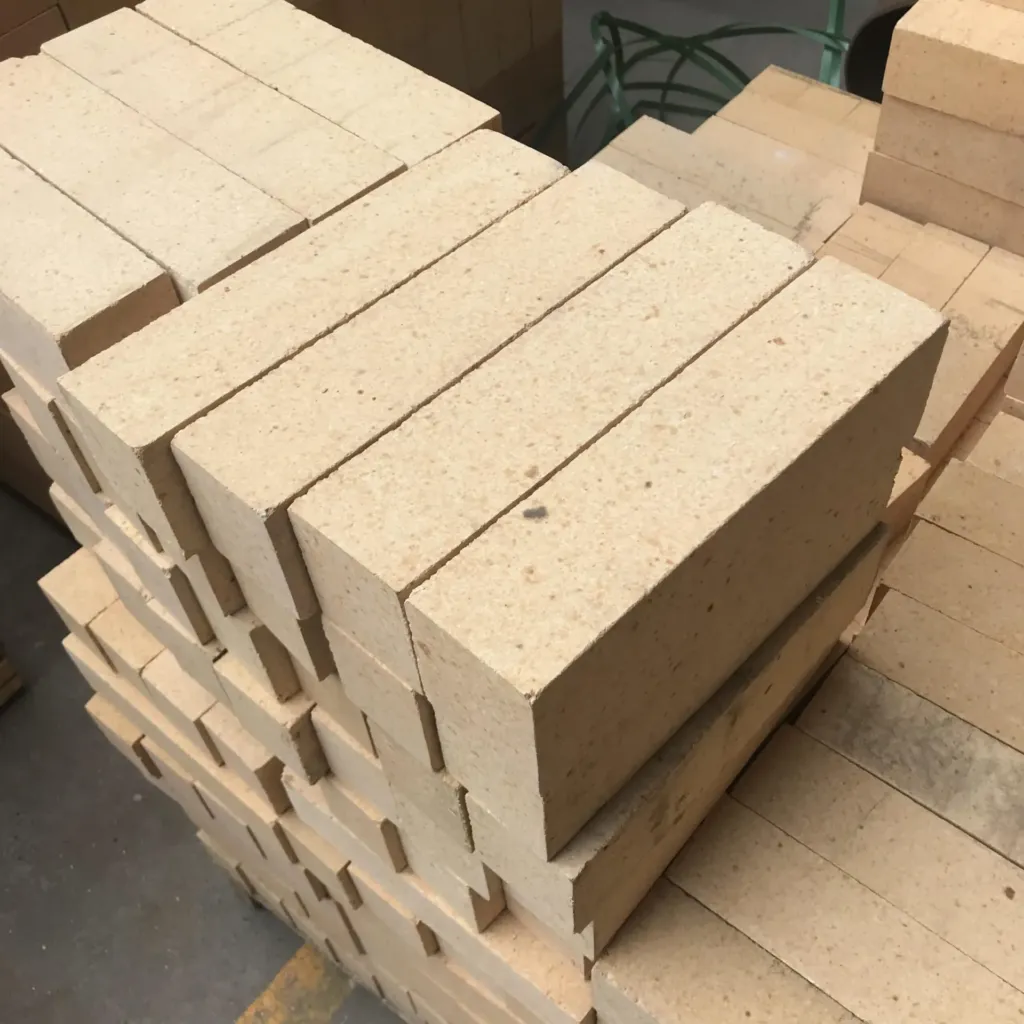
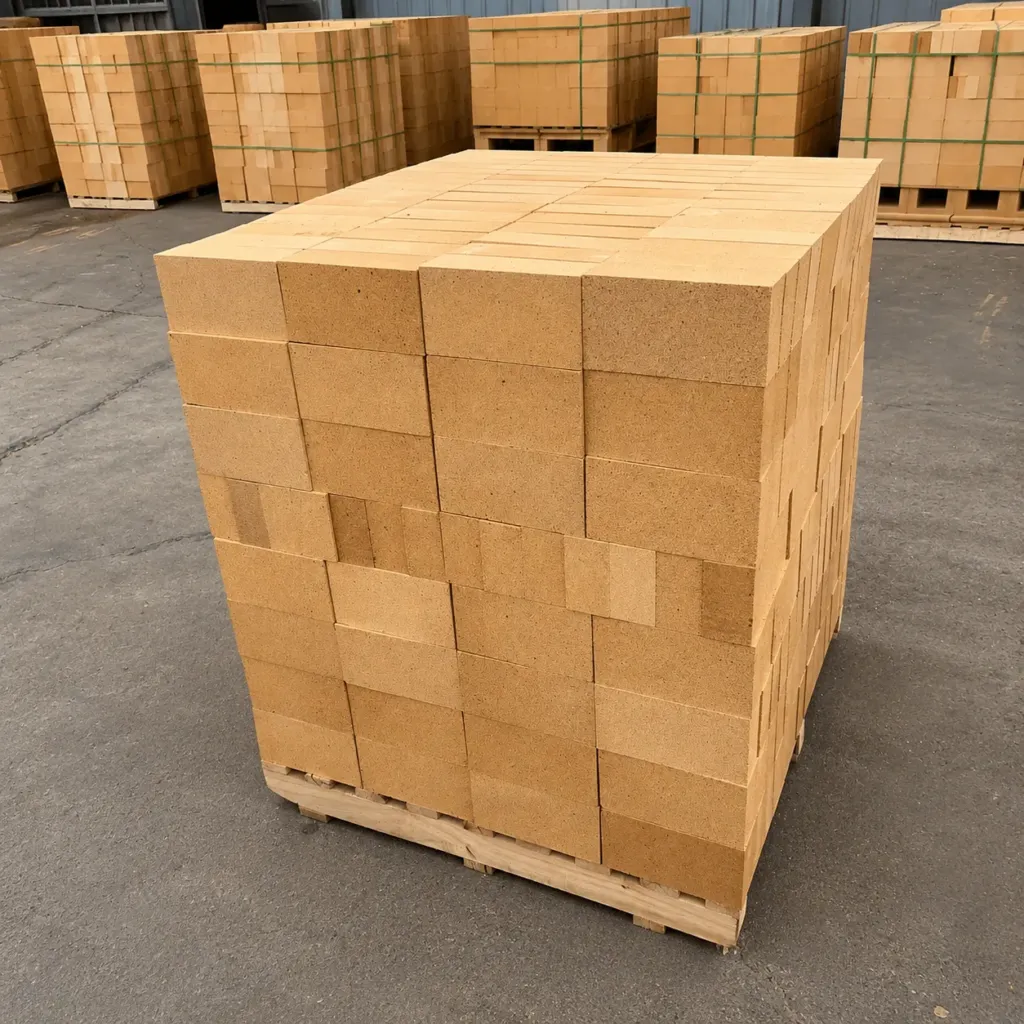
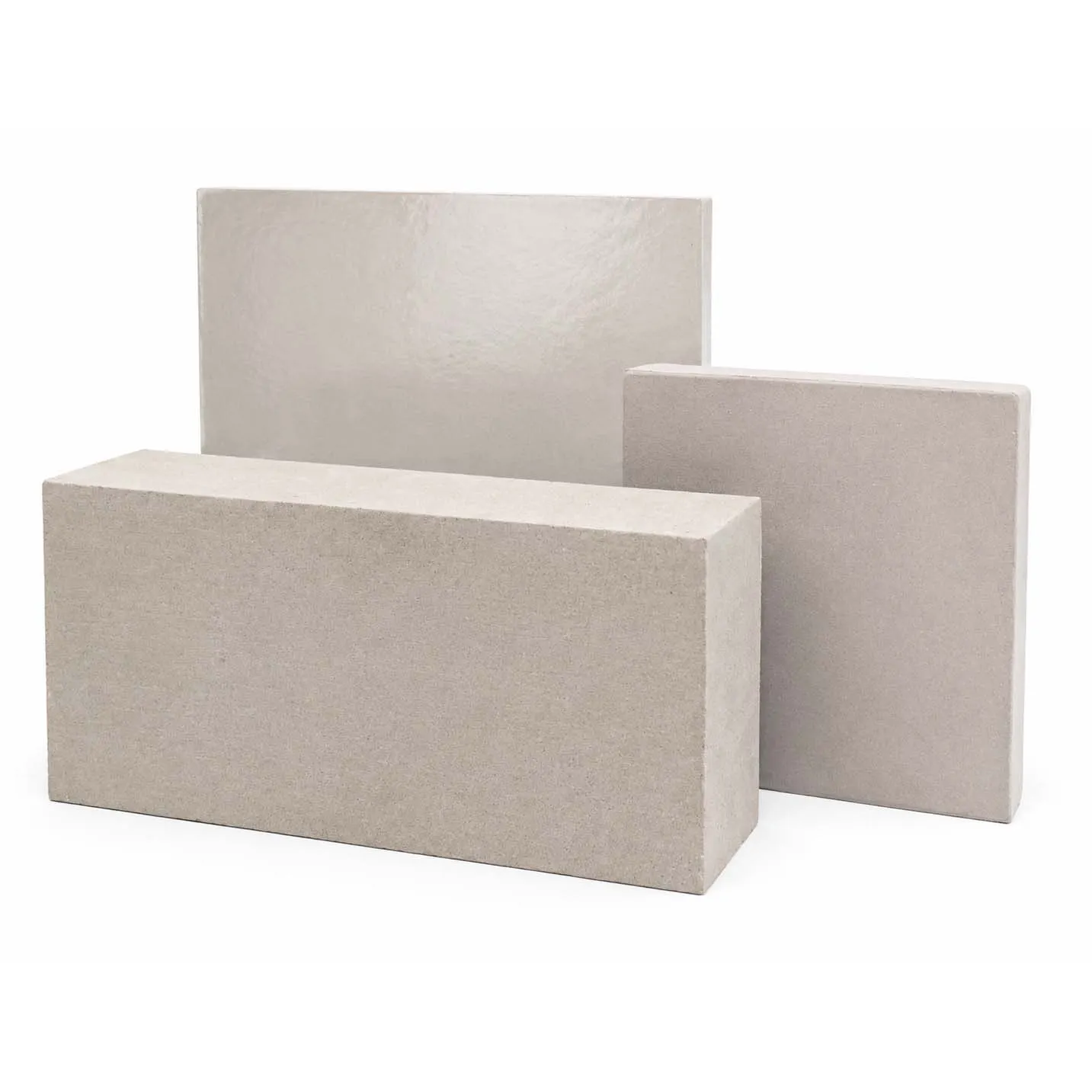
Acid Proof Brick, also known as Acid Resistant Brick, is a corrosion-resistant ceramic brick manufactured from quartz, feldspar, clay and selected mineral raw materials through forming and high-temperature firing.
The dense ceramic structure provides high resistance to chemical penetration, low water absorption and good mechanical strength. It is mainly used to protect floors, tanks, towers, channels and other industrial structures from acidic liquids and corrosive environments.
Acid Proof Brick can resist many common acids, including hydrochloric acid, sulfuric acid, nitric acid and warm chlorine-containing saline solutions. It is not suitable for hydrofluoric acid or hot phosphoric acid. It can also resist certain alkaline solutions at room temperature, but it should not be used in high-temperature alkaline environments.
Glazed, unglazed, grooved and customized bricks are available for different flooring and lining requirements.
Feature:
- High acid resistance.
- Low water absorption.
- High bulk density.
- Good chemical corrosion resistance.
- Good resistance to liquid penetration.
- Good salt resistance.
- Good freeze resistance.
- High compressive strength.
- High bending strength.
- Accurate dimensions.
- Smooth and easy-to-clean surface.
- Glazed and unglazed surfaces available.
- Single-groove and double-groove designs available.
- Customized dimensions available.
The reference manufacturer describes the product as having high acid resistance, low water absorption, anti-permeability, salt resistance, freeze resistance and controlled dimensions.
Application:
Acid Proof Brick is mainly used for corrosion-resistant flooring and protective linings in chemical and industrial facilities.
Typical applications include:
- Chemical plant floors
- Acid-resistant workshop floors
- Outdoor corrosion-resistant floors
- Acid storage tanks
- Chemical reaction tanks
- Industrial towers
- Absorption towers
- Pickling tanks
- Acid channels and drainage trenches
- Industrial sinks
- Chemical processing areas
- Fertilizer plants
- Pharmaceutical production areas
- Metallurgical chemical-treatment areas
- Other acid-corrosion-resistant structures
The reference product is primarily recommended for chemical workshops, outdoor acid-resistant floors and the corrosion-resistant lining of towers, tanks and sinks.
The appropriate brick thickness, surface treatment and installation system should be selected according to the chemical medium, concentration, operating temperature, mechanical loading and cleaning requirements.
Technical Data:
| Item | Typical Value |
|---|---|
| SiO₂ (%) | 60–70 |
| Al₂O₃ (%) | 20–30 |
| FeO (%) | 0.5–3.0 |
| Bulk Density (g/cm³) | 2.3–2.4 |
| Acid Resistance (%) | >99.8 |
| Water Absorption (%) | ≤0.5 |
| Bending Strength (MPa) | >58.8 |
| Compressive Strength (MPa) | ≥120 |
The technical values above are taken from the detailed parameter table on the reference page.
The values are typical reference data. Final specifications may vary according to raw-material composition, forming pressure, firing process, product thickness, surface treatment and testing method.