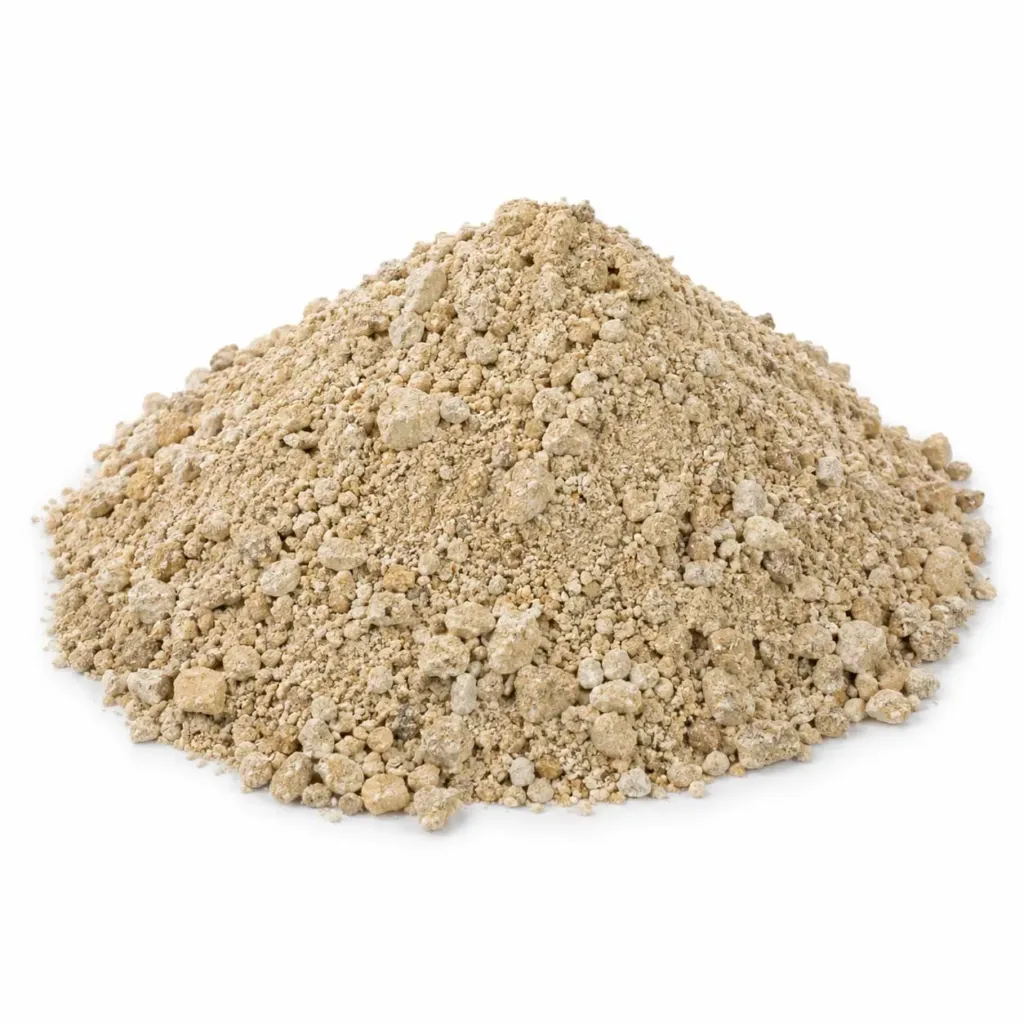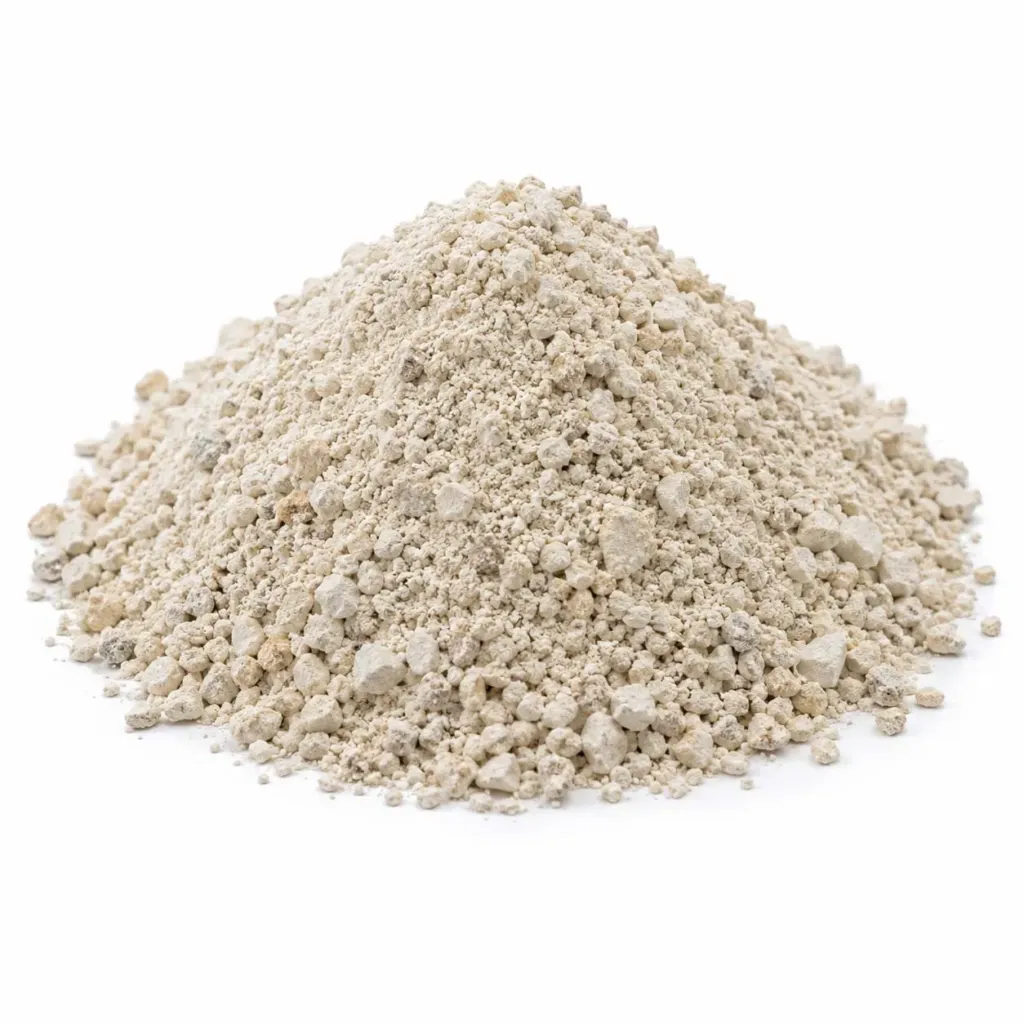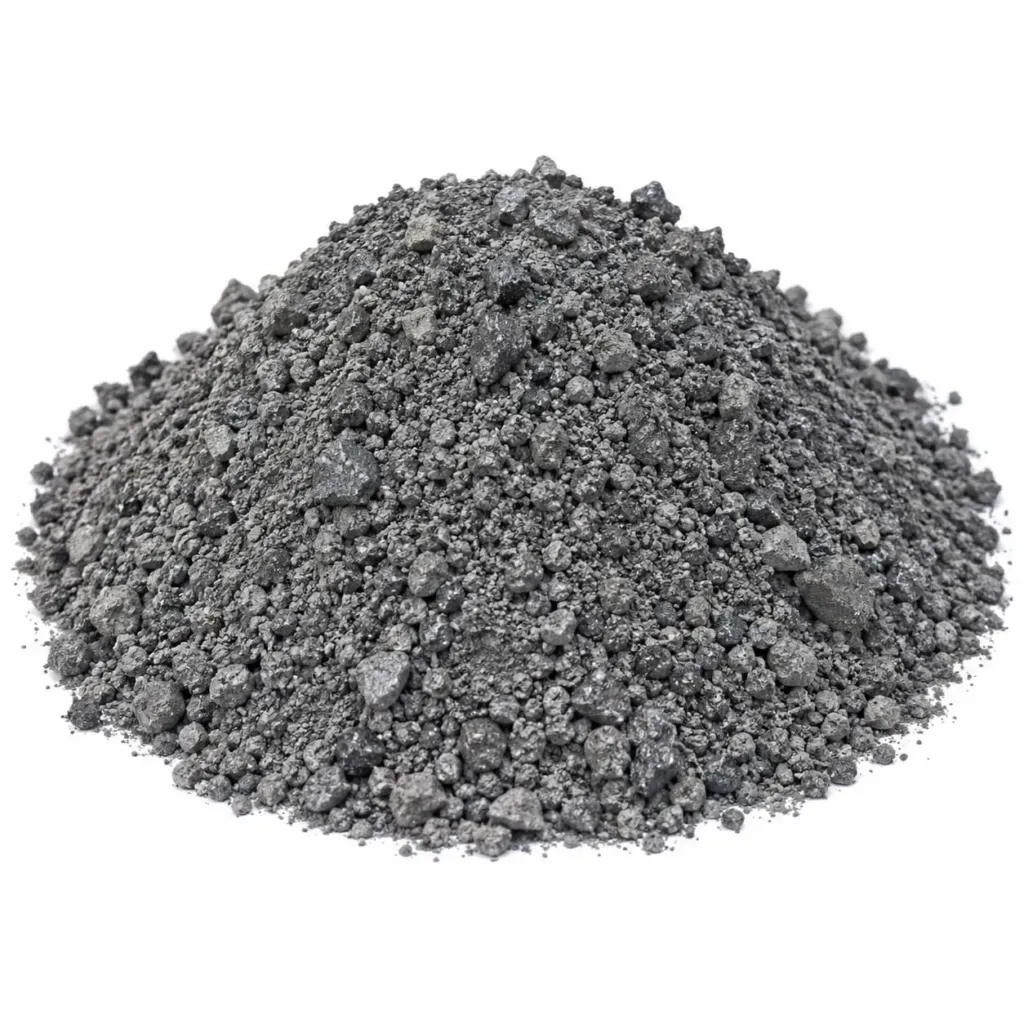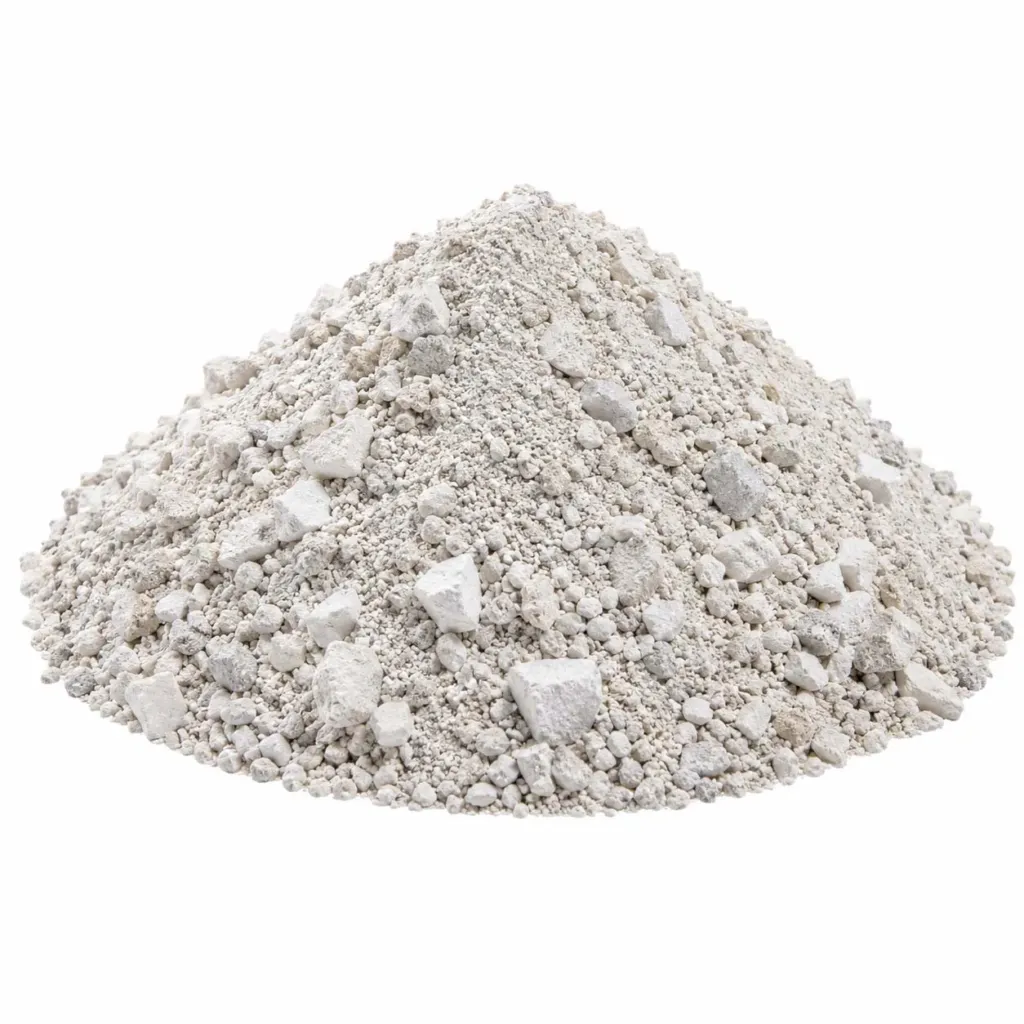
Products
Lightweight Insulating Castable
• Bulk Density: 0.5–1.8 g/cm³
• Service Temperature: 1150–1350°C
• Thermal Conductivity: 0.15–0.75 W/(m·K)
• Cold Crushing Strength: 1.5–30 MPa
• Installation Method: Casting & Vibration & Ramming & Spraying
• Function: Lightweight & Thermal Insulation & Low Heat Storage & Energy Saving
Product Introduction
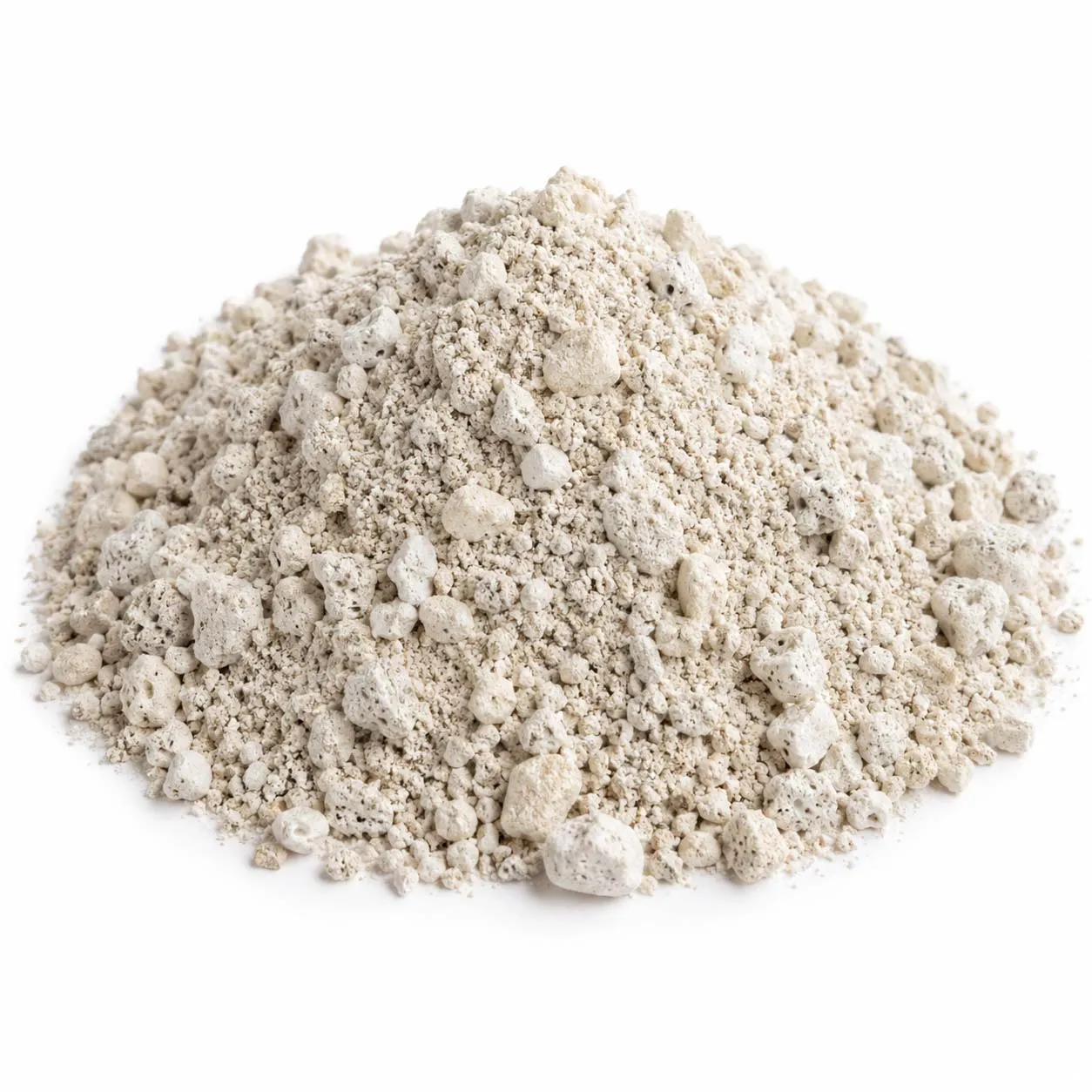
Lightweight Insulating Castable is an unshaped refractory insulation material made from lightweight refractory aggregates, fine refractory powder, binders and selected additives.
After adding the specified amount of clean water and mixing evenly, the material can be cast, vibrated, rammed or sprayed to form a lightweight monolithic insulation lining.
The controlled porous structure provides low bulk density, low thermal conductivity and low heat storage capacity. It helps reduce heat loss through furnace walls, decrease the total weight of the refractory lining and improve the energy efficiency of industrial furnaces and kilns.
Different density grades are available from QJ-0.5 to QJ-1.8. Lower-density grades provide better thermal insulation, while higher-density grades provide greater mechanical strength and higher service temperatures.
Lightweight Insulating Castable is mainly suitable for middle- and low-temperature furnace linings, furnace roofs, movable furnace covers and thermal insulation layers. It can also be used as a single-layer lining under suitable operating conditions.
Features
- Low bulk density.
- Low thermal conductivity.
- Good thermal insulation performance.
- Low heat storage capacity.
- Reduced furnace lining weight.
- Good material uniformity.
- Good construction performance.
- Suitable for casting and vibration installation.
- Can be applied by ramming or spraying.
- Good mechanical strength after drying and firing.
- Reduced heat loss from industrial furnaces.
- Improved furnace energy efficiency.
Applications
Lightweight Insulating Castable is mainly used for thermal insulation linings in industrial furnaces, kilns and other heating equipment.
Typical applications include:
- Rotary kiln insulation linings
- Industrial kiln insulation
- Furnace walls
- Furnace roofs and ceilings
- Movable furnace covers
- Heat treatment furnaces
- Heating furnaces
- Ceramic kilns
- Tunnel kilns
- Shuttle kilns
- Industrial boilers
- Flue and chimney insulation
- Backup insulation layers
- Single-layer lightweight furnace linings
- Other middle- and low-temperature thermal equipment
Lower-density grades are generally selected where thermal insulation is the main requirement. Higher-density grades are suitable for areas requiring improved mechanical strength and higher service temperatures.
For areas exposed to severe abrasion, heavy mechanical impact, molten slag or direct molten metal contact, dense refractory materials should be used as the working lining. Lightweight Insulating Castable can be installed behind the working lining as the insulation layer. The reference product is primarily recommended for middle- and low-temperature furnace linings, roofs, movable covers and rotary or industrial kiln insulation.
Construction:
The construction surface should be clean and free from dust, oil, loose refractory material and other impurities.
Use a forced-action mixer and clean water. Dry-mix the material first, then gradually add the recommended amount of water until a uniform construction consistency is achieved.
The mixed material should be installed immediately. Depending on the product grade and construction position, the material can be cast, vibrated, rammed or sprayed.
During casting construction, use suitable vibration equipment to remove trapped air and compact the material. Excessive vibration should be avoided because it may cause aggregate segregation.
After installation, the lining should be properly cured, dried and heated according to the recommended schedule. Rapid heating may generate excessive internal steam pressure and cause cracking or spalling.
The exact water addition, mixing time, curing period and heating schedule should be confirmed according to the selected product grade and actual project conditions.
Technical Data:
| Index | QJ-0.5 | QJ-0.8 | QJ-1.0 | QJ-1.1 | QJ-1.3 | QJ-1.5 | QJ-1.8 | |
| Bulk Density, g/cm3≥ | 0.5 | 0.8 | 1 | 1.1 | 1.3 | 1.5 | 1.8 | |
| Rervice Temperature, ℃ | 1150 | 1200 | 1250 | 1250 | 1300 | 1300 | 1350 | |
| Thermal Conductivity, W/m·k≤ | 350℃ | 0.15 | 0.25 | 0.3 | 0.4 | 0.45 | 0.6 | 0.65 |
| 700℃ | 0.2 | 0.3 | 0.4 | 0.45 | 0.5 | 0.7 | 0.75 | |
| Cold Crushing Strength, MPa≥ | 110℃×24h | 1.5 | 2 | 4 | 5.5 | 10 | 15 | 20 |
| 1000℃×3h | 1.5 | 2 | 5.5 | 6.5 | 15 | 20 | 30 | |
| Permanent linear change 1000℃×3h,% | -1.5 | -1 | -1 | -0.5 | -0.5 | -0.5 | -0.5 |
The technical data above are typical reference values. Final specifications may vary according to aggregate type, binder system, water addition, curing conditions, product density and testing methods.