Products
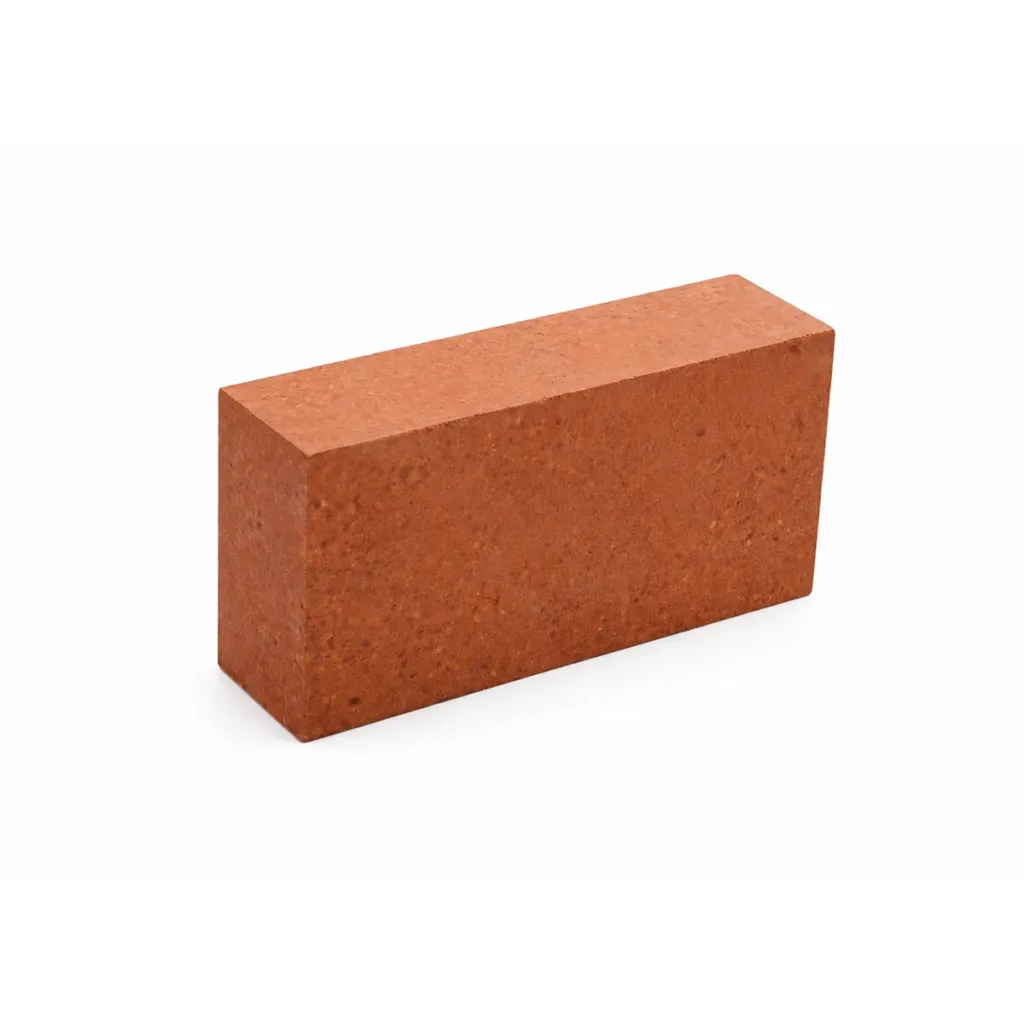
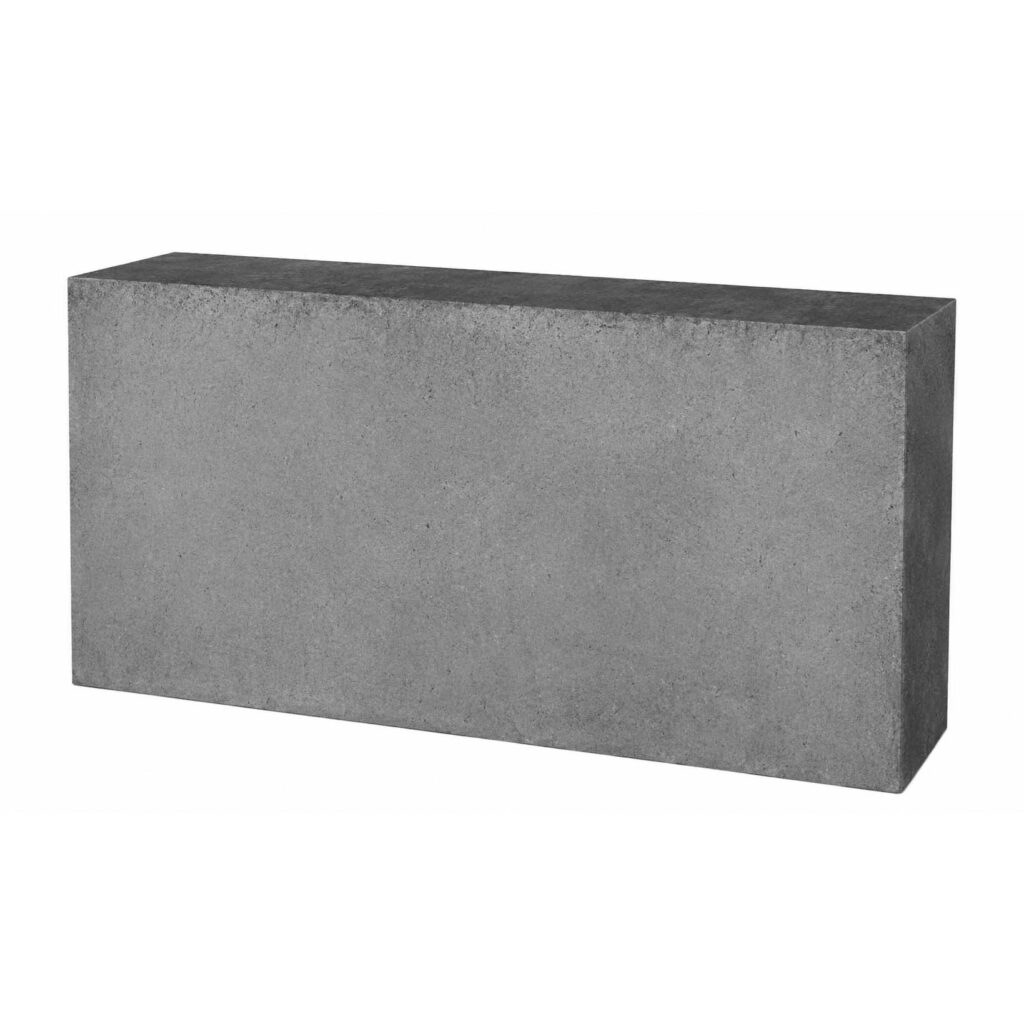
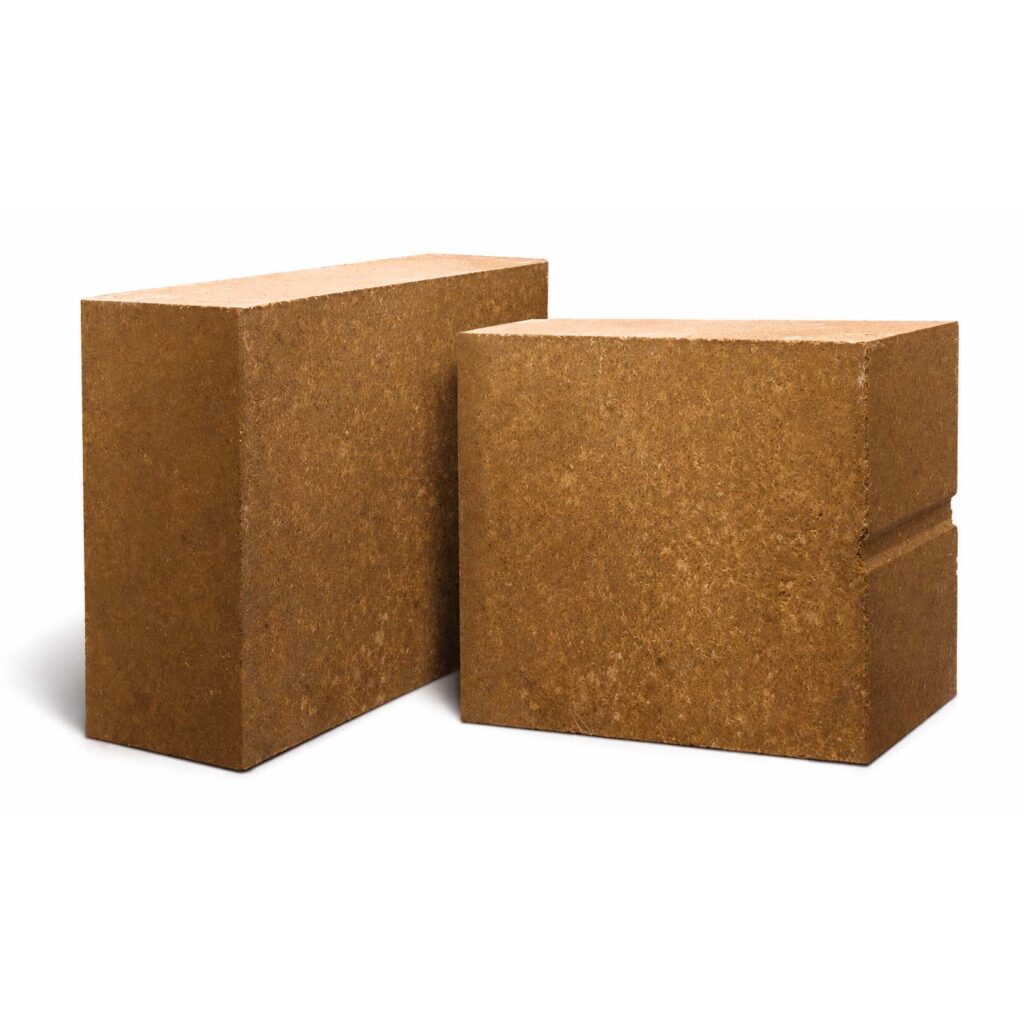
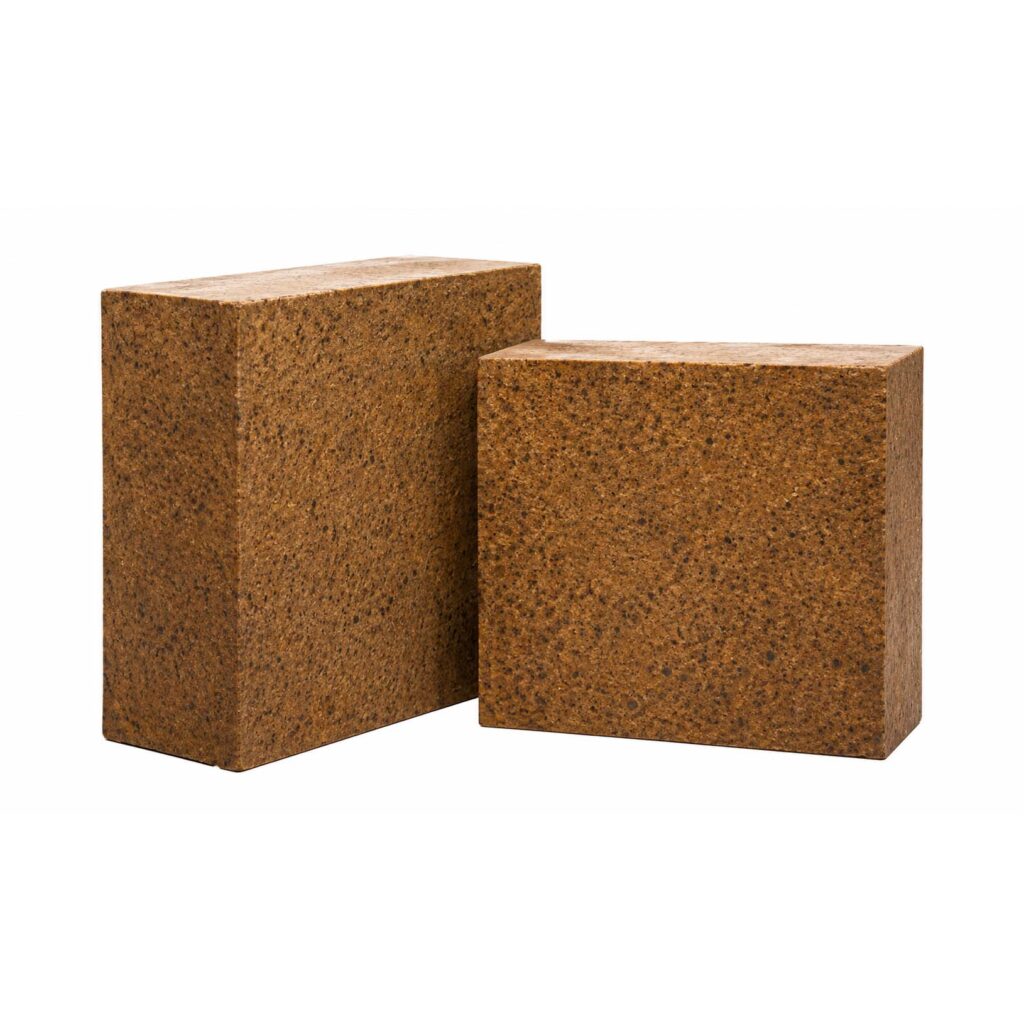
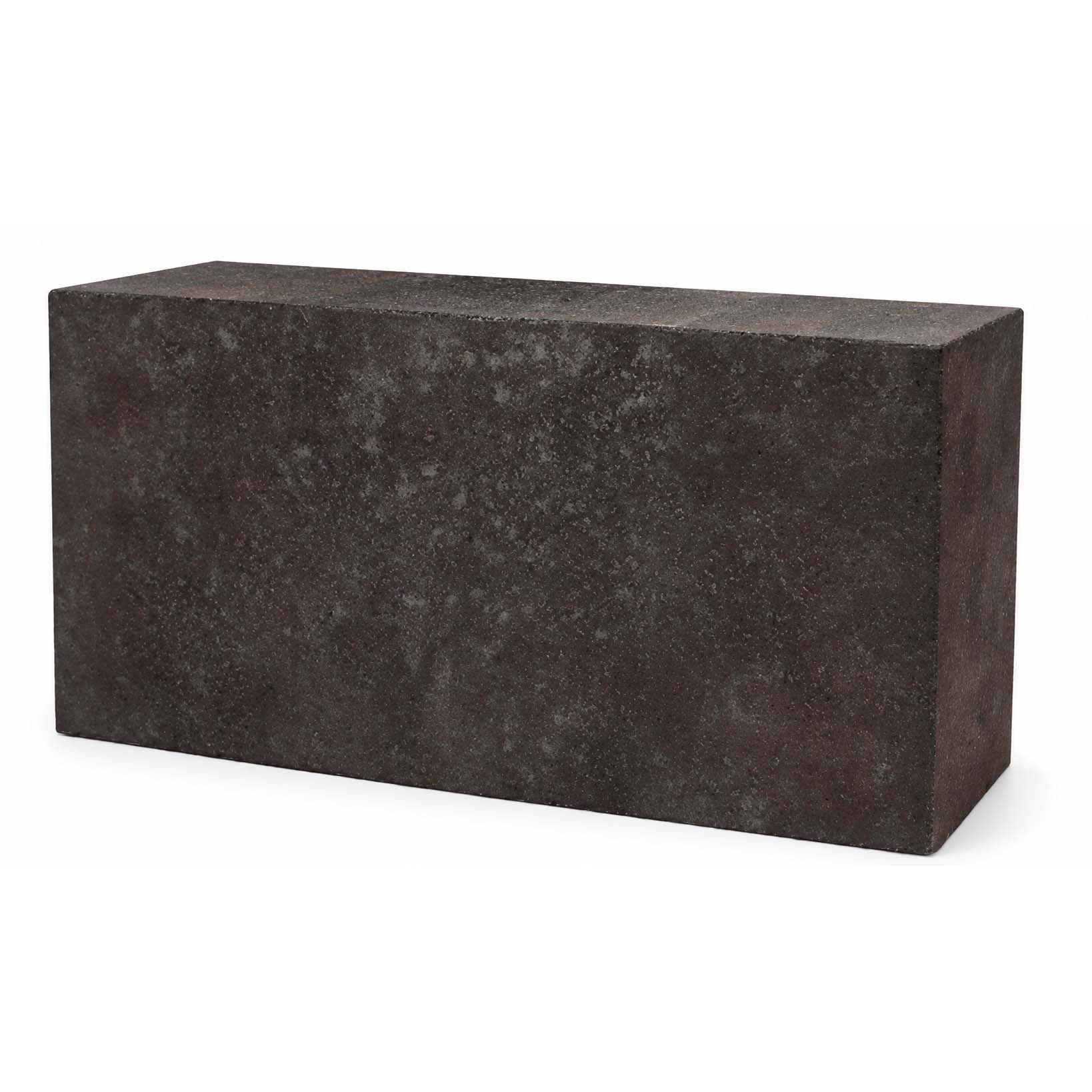
Magnesia Chrome Brick
• MgO Content: 56–85%
• Cr₂O₃ Content: 5.5–26%
• Bulk Density: 3.0–3.2 g/cm³
• Apparent Porosity: 14–18%
• Refractoriness Under Load: 1600–1700°C
• Function: Slag Resistance & Corrosion Resistance & High-Temperature Strength & Volume Stability
Product Introduction
Magnesia Chrome Brick is a basic refractory brick manufactured from sintered magnesia, fused magnesia, chrome ore and fused magnesia-chrome materials.
The selected raw materials are mixed, formed under high pressure, dried and fired at high temperature to produce a dense refractory structure. Different production methods can be used to manufacture common, direct-bonded, semi-rebonded and rebonded magnesia chrome bricks.
Magnesia Chrome Brick provides good resistance to basic slag, molten materials, chemical corrosion and high-temperature gas erosion. Its high bulk density and high-temperature volume stability make it suitable for severe working areas in metallurgical, cement, lime, glass and non-ferrous metal furnaces.
Depending on the grade, the MgO content ranges from approximately 56% to 85%, while the Cr₂O₃ content ranges from approximately 5.5% to 26%.
Feature:
- High MgO content.
- Adjustable Cr₂O₃ content.
- Good resistance to basic slag.
- Good chemical corrosion resistance.
- Good resistance to molten material penetration.
- Good resistance to hot gas scouring.
- High refractoriness under load.
- Good high-temperature strength.
- High bulk density.
- Good high-temperature volume stability.
- Good thermal shock resistance.
- Suitable for severe furnace working conditions.
- Standard and customized shapes available.
Application:
Magnesia Chrome Brick is mainly used as a working lining in high-temperature industrial furnaces exposed to basic slag, molten metal, chemical corrosion and mechanical erosion.
Typical applications include:
- Cement rotary kiln burning zones
- Cement kiln transition zones
- Lime kilns
- Electric arc furnaces
- Electric furnace roofs
- VOD furnaces
- AOD furnaces
- RH refining furnaces
- Steel refining ladles
- Permanent ladle linings
- Copper smelting furnaces
- Nickel smelting furnaces
- Lead and zinc smelting furnaces
- Other non-ferrous metal furnaces
- Glass furnace working areas
- High-temperature industrial furnace linings
The reference manufacturer lists cement rotary kilns, refining ladles, electric furnace roofs, non-ferrous metal smelting furnaces, lime kilns, EAF, VOD, AOD and RH equipment among the main applications.
The appropriate grade should be selected according to furnace temperature, slag composition, furnace atmosphere, mechanical load and thermal cycling conditions.
Technical Data:
| Model | MGe6 | MGe8 | MGe12 | MGe16 | DMGe4 | DMGe8 | DMGe12 | DMGe16 |
| MgO % | 80 | 72 | 70 | 65 | 85 | 77 | 74 | 69 |
| Cr2O3 % | 7 | 10 | 13 | 17 | 5.5 | 9.1 | 14 | 18 |
| CaO % | 1.2 | 1.2 | 1.2 | 1.2 | 1.1 | 1.4 | 1.2 | 1.2 |
| SiO2 % | 3.4 | 4 | 4 | 4.2 | 1.3 | 1.2 | 1.2 | 1.5 |
| Al2O3 % | 4.5 | 6.5 | 6 | 6 | 3.5 | 4 | 3.5 | 4.5 |
| Fe2O3 % | 4 | 4.8 | 5.5 | 6.5 | 3 | 6.4 | 5 | 5.7 |
| Apparent Porosity % | 17 | 18 | 18 | 18 | 18 | 18 | 18 | 18 |
| Bulk Density g/cm3 | 3 | 3 | 3.02 | 3.05 | 3.02 | 3.04 | 3.06 | 3.08 |
| Cold Crushing Strength Mpa | 55 | 55 | 55 | 50 | 50 | 50 | 55 | 55 |
| Refractoriness Under Load °C | 1600 | 1600 | 1600 | 1600 | 1700 | 1700 | 1700 | 1700 |
| Thermal expansion % 1000°C | / | / | / | / | 1 | 1 | 1 | 0.9 |
| Thermal expansion % 1600°C | / | / | / | / | 1.8 | 1.8 | 1.8 | 1.6 |