Products
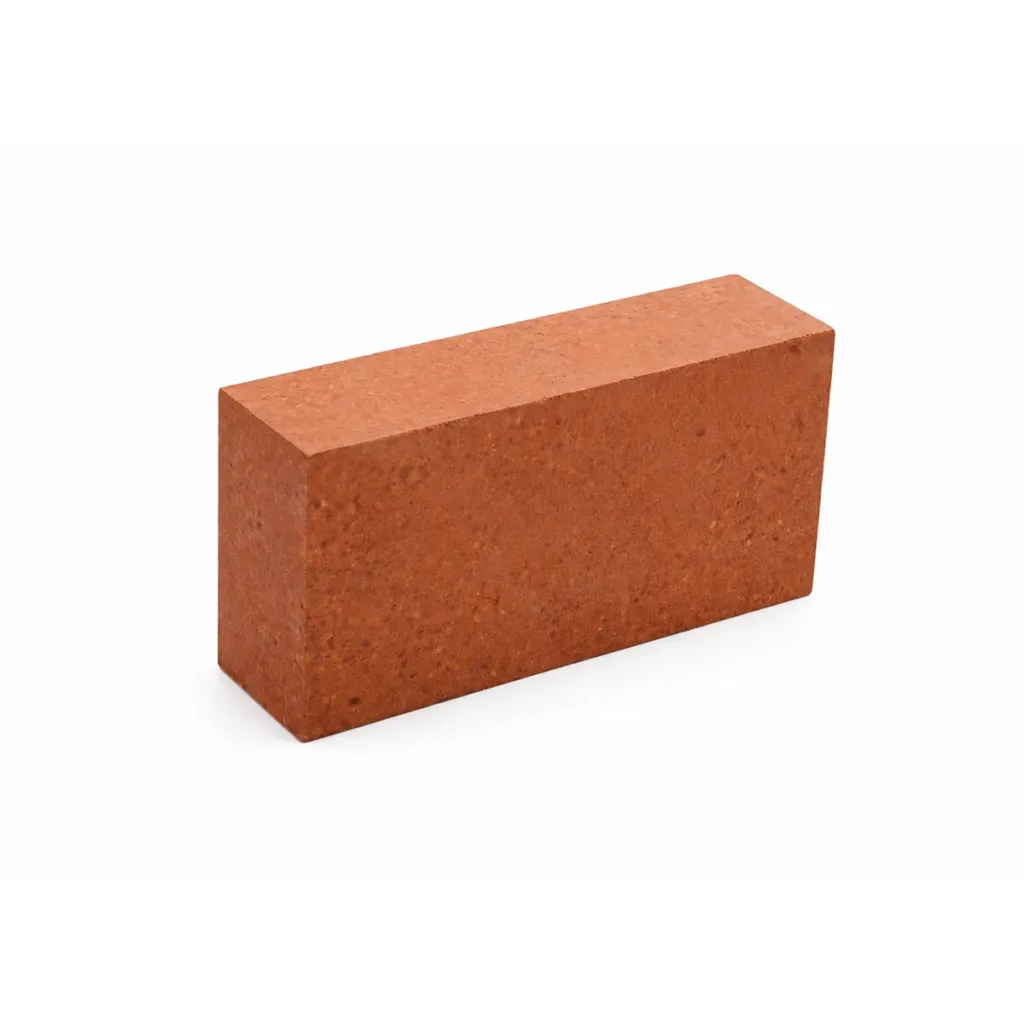
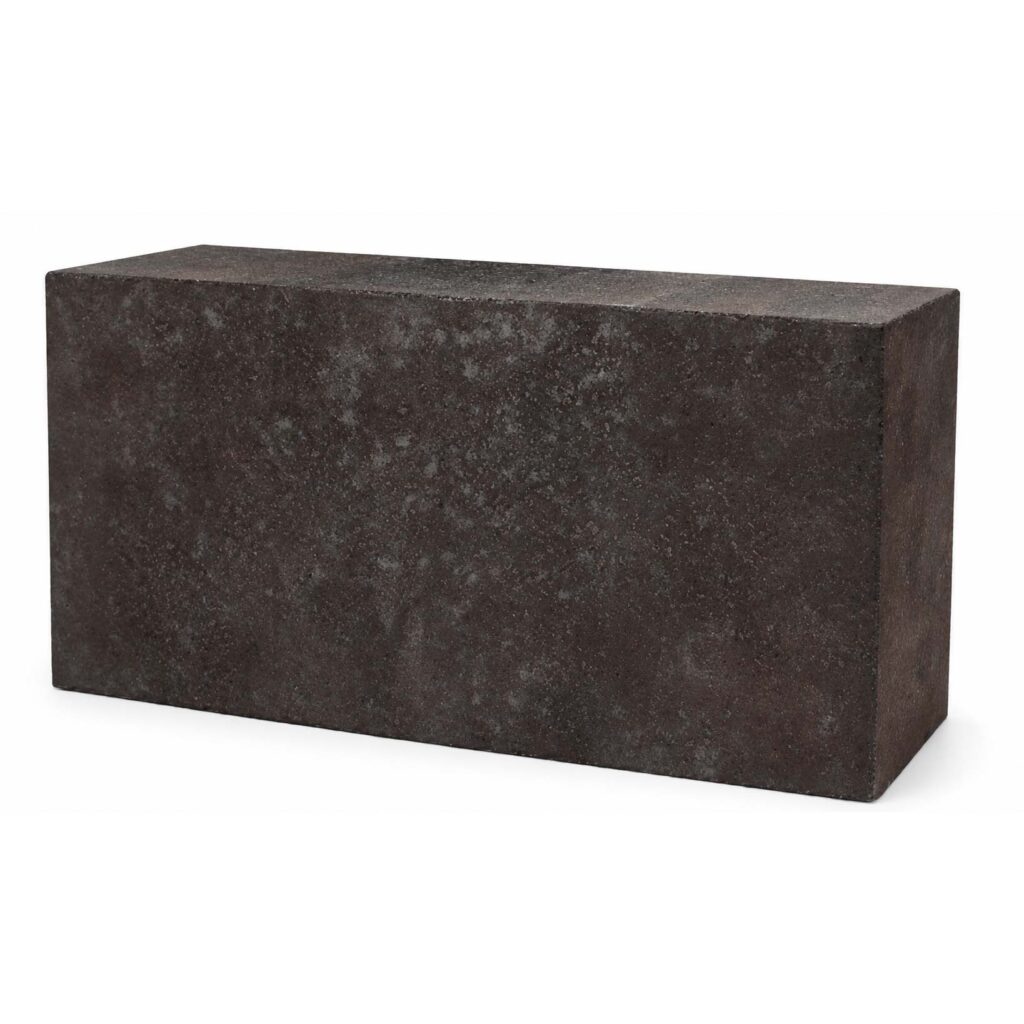
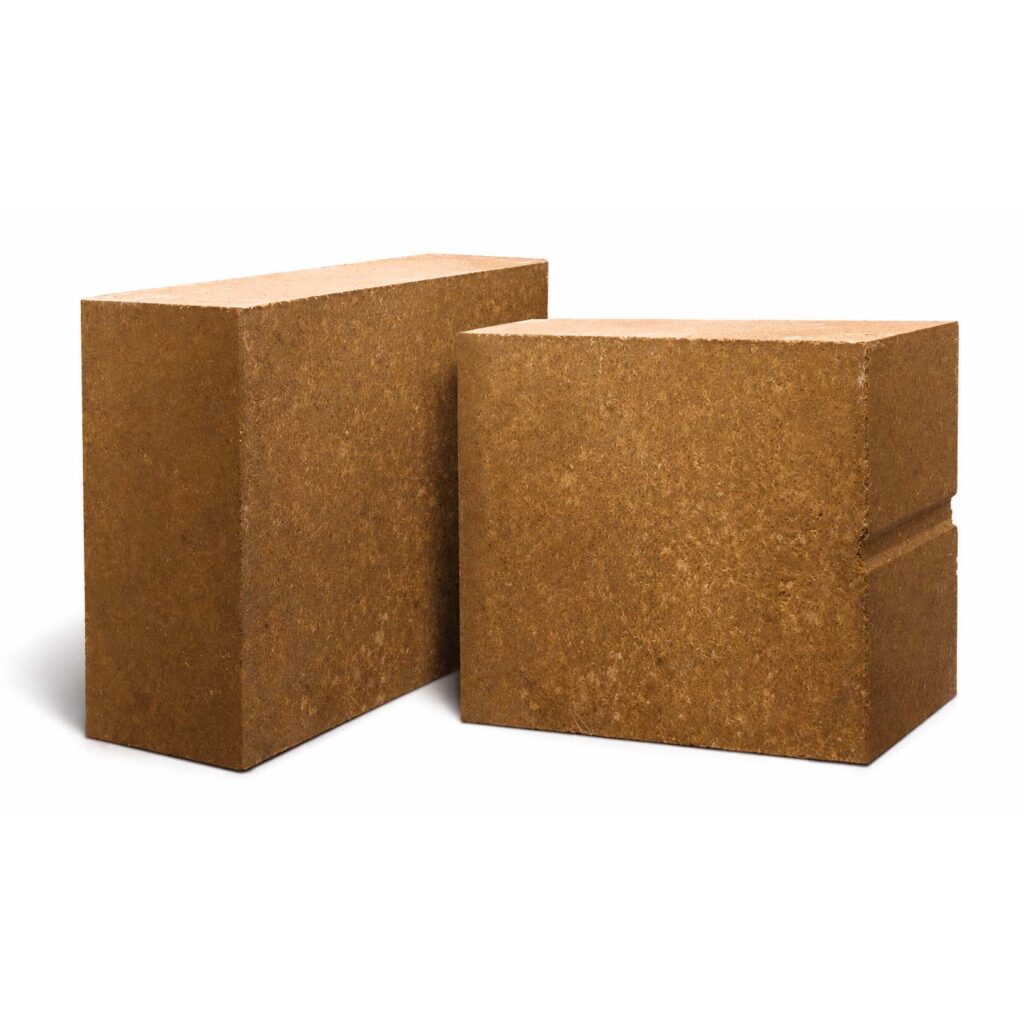
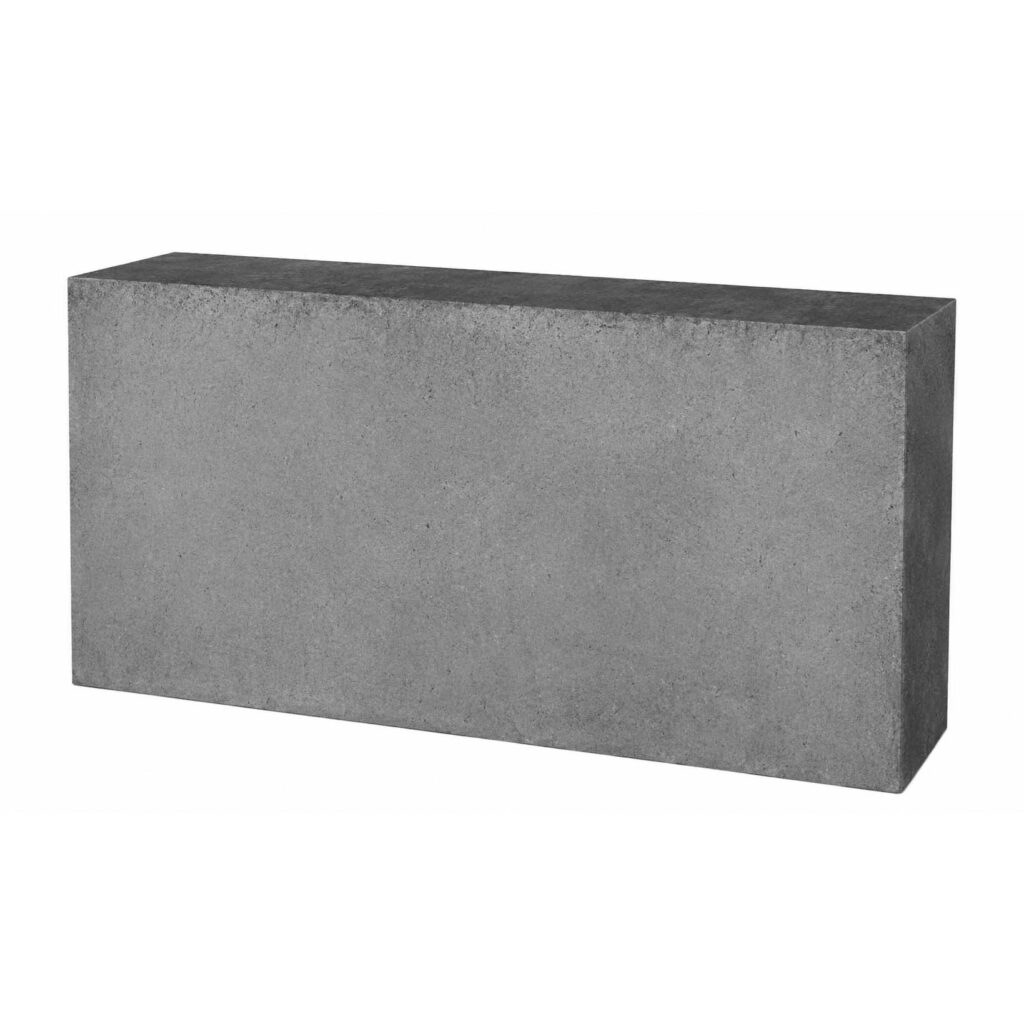
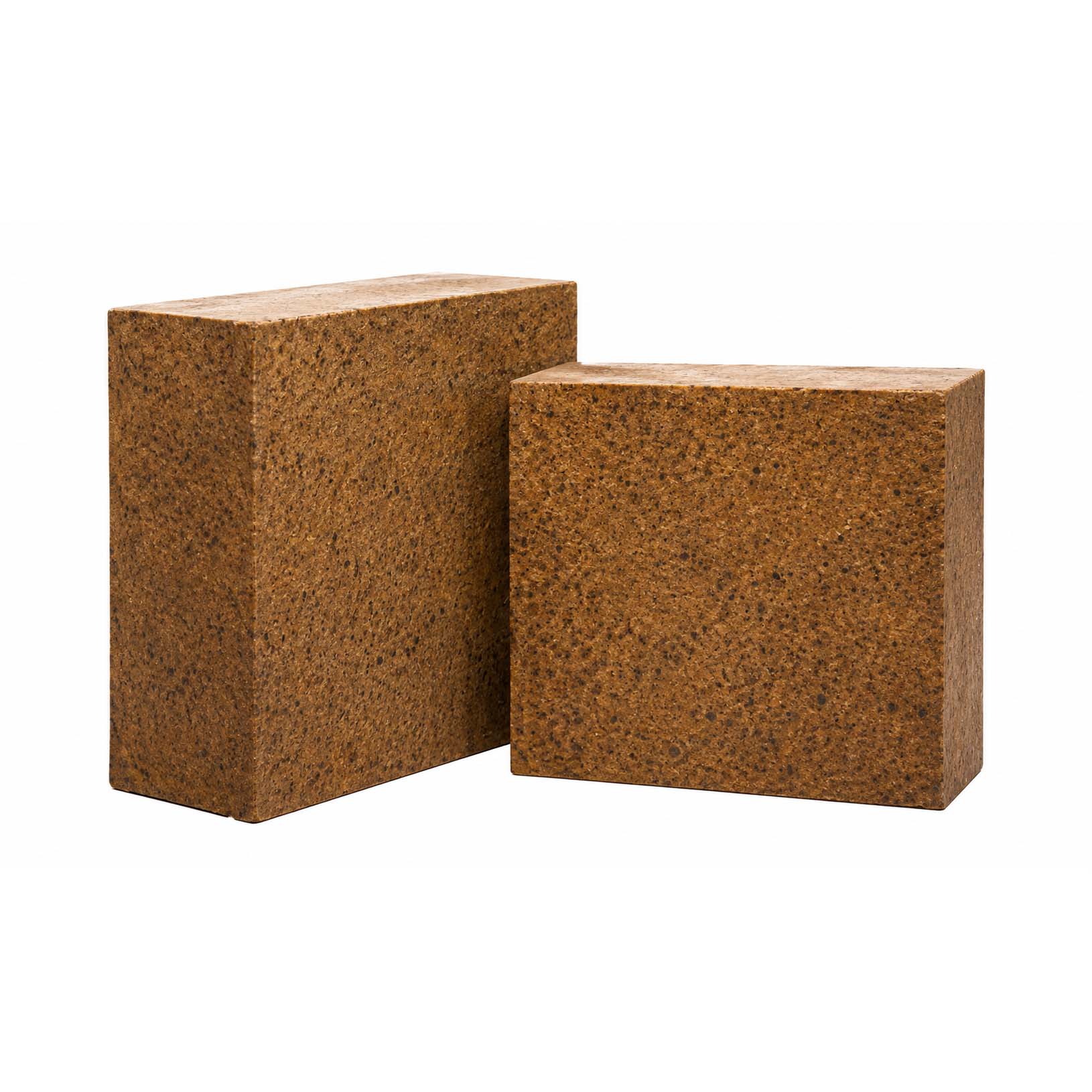
Magnesia Iron Spinel Brick
• MgO Content: Approx. 85%
• Fe₂O₃ Content: 4–6%
• Bulk Density: Approx. 2.90–2.95 g/cm³
• Cold Crushing Strength: ≥45–55 MPa
• Refractoriness Under Load: ≥1500–1600°C
• Function: Kiln Coating Adhesion & Alkali Resistance & Thermal Shock Resistance & Chrome-Free
Product Introduction
Magnesia Iron Spinel Brick is a chrome-free basic refractory brick made from high-purity magnesia, composite iron spinel, selected mineralizers and suitable bonding materials.
The raw materials are mixed, formed under high pressure and sintered at high temperature to produce a dense and stable refractory structure. Periclase and iron-containing spinel phases provide high-temperature strength, structural flexibility and resistance to chemical corrosion.
During operation in a cement rotary kiln, the hot surface can form a high-viscosity calcium-iron or calcium-aluminum-iron oxide layer. This helps the refractory lining retain a stable kiln coating and protects the brick surface from direct clinker erosion.
Magnesia Iron Spinel Brick is mainly designed for the burning zone and other critical high-temperature areas of large dry-process cement rotary kilns. It is especially suitable for kiln sections exposed to rapid rotation, strong alkali attack, high mechanical loading and frequent temperature changes.
Feature:
- Chrome-free refractory composition.
- High MgO content.
- Good kiln coating adhesion.
- Good resistance to clinker liquid-phase corrosion.
- Good resistance to alkali salts.
- Good sulfur and alkali gas resistance.
- High refractoriness under load.
- Good thermal shock resistance.
- Good structural flexibility.
- Good resistance to thermal spalling.
- Controlled thermal conductivity.
- Good resistance to mechanical stress.
- Suitable for demanding cement kiln conditions.
- Helps extend refractory lining service life.
The spinel and periclase phases have different thermal expansion characteristics. Small internal microcracks formed between these phases can absorb thermal stress and reduce brittle cracking during temperature changes.
Application:
Magnesia Iron Spinel Brick is mainly used as a working lining in modern cement rotary kilns.
Typical applications include:
- Large dry-process cement rotary kilns
- Cement kiln burning zones
- Cement kiln firing zones
- High-temperature sintering zones
- SP cement kilns
- NSP cement kilns
- Kiln sections exposed to strong alkali attack
- Areas exposed to heavy mechanical loading
- Kiln sections requiring stable coating formation
- Chrome-free cement kiln lining systems
The product is particularly suitable for kiln areas with high operating temperatures, high rotation speeds, alkali-salt penetration and substantial mechanical stress.
Technical Data:
| Type | JH-MFe-85A | JH -MFe-85B | JH -MFe-85C |
| MgO % | 85 | 85 | 85 |
| Al2O3 % | 3-5 | 3-5 | 3-5 |
| Fe2O3 % | 4-6 | 4-6 | 4-6 |
| SiO2 % | 1.5 | 1.8 | 2.0 |
| Bulk Density (g/cm3) > | 2.95 | 2.93 | 2.90 |
| Apparent Porosity(%) ≤ | 17 | 17 | 17 |
| Cold Crushing Strength (Mpa) > | 55 | 50 | 45 |
| Refractoriness Under Load (T6.0,9) > | 1600 | 1550 | 1500 |
| Thermal Shock Resistance (950℃-Air Cooling) (times) > | 100 | 90 | 90 |
| Thermal Conductivity (W/m.K) | 2.6 | 2.6 | 2.4 |
| Thermal Expansion (1400℃) % | 1.6 | 1.6 | 1.6 |
The technical values above are based on the reference manufacturer’s published product table.
The reference page does not clearly specify the testing temperature used for the thermal conductivity values. It also separately states a thermal conductivity of 2.27 W/(m·K) at 1000°C, which differs from the values in the technical table. The table values have been retained here, but they should be checked against your own product data sheet before publication.
The values shown are typical reference data. Final specifications may vary according to raw material purity, spinel composition, mineralizer system, forming pressure, firing process, brick dimensions and testing methods.