Products
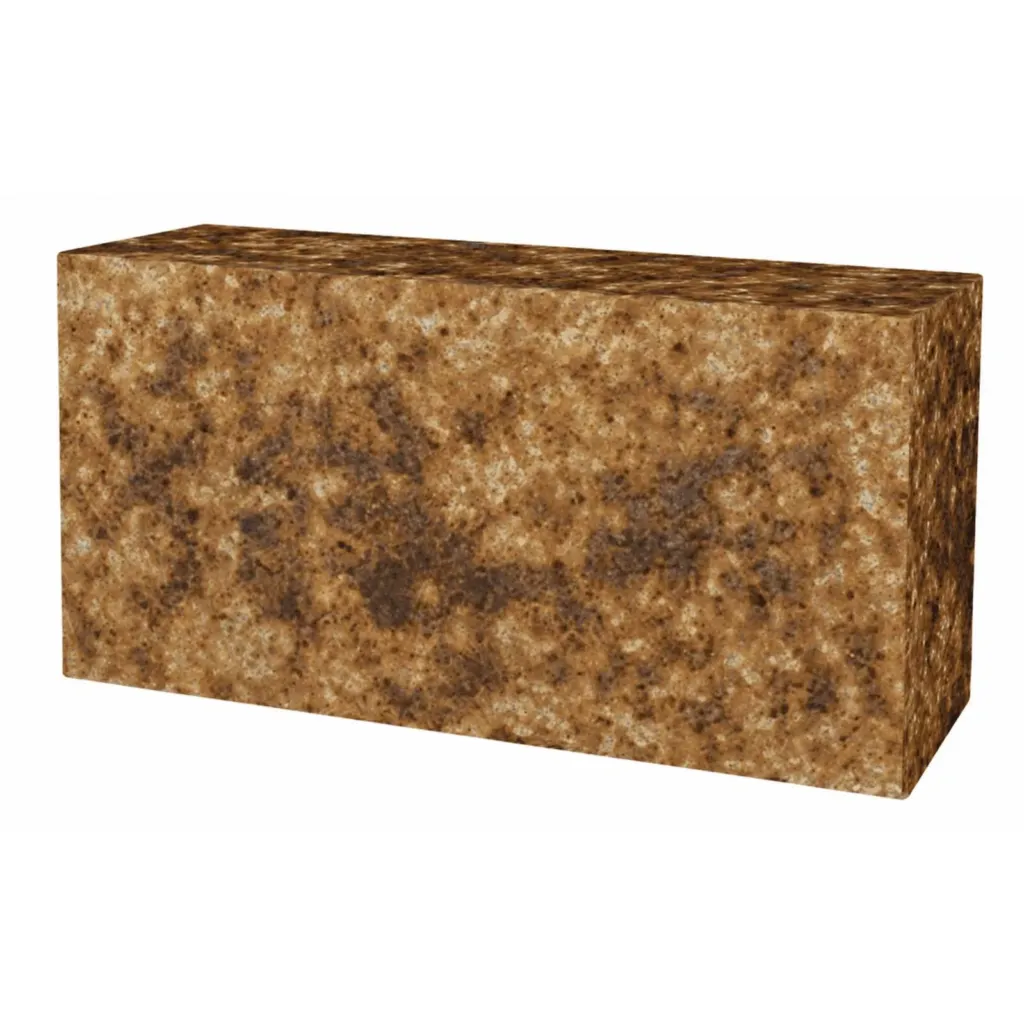
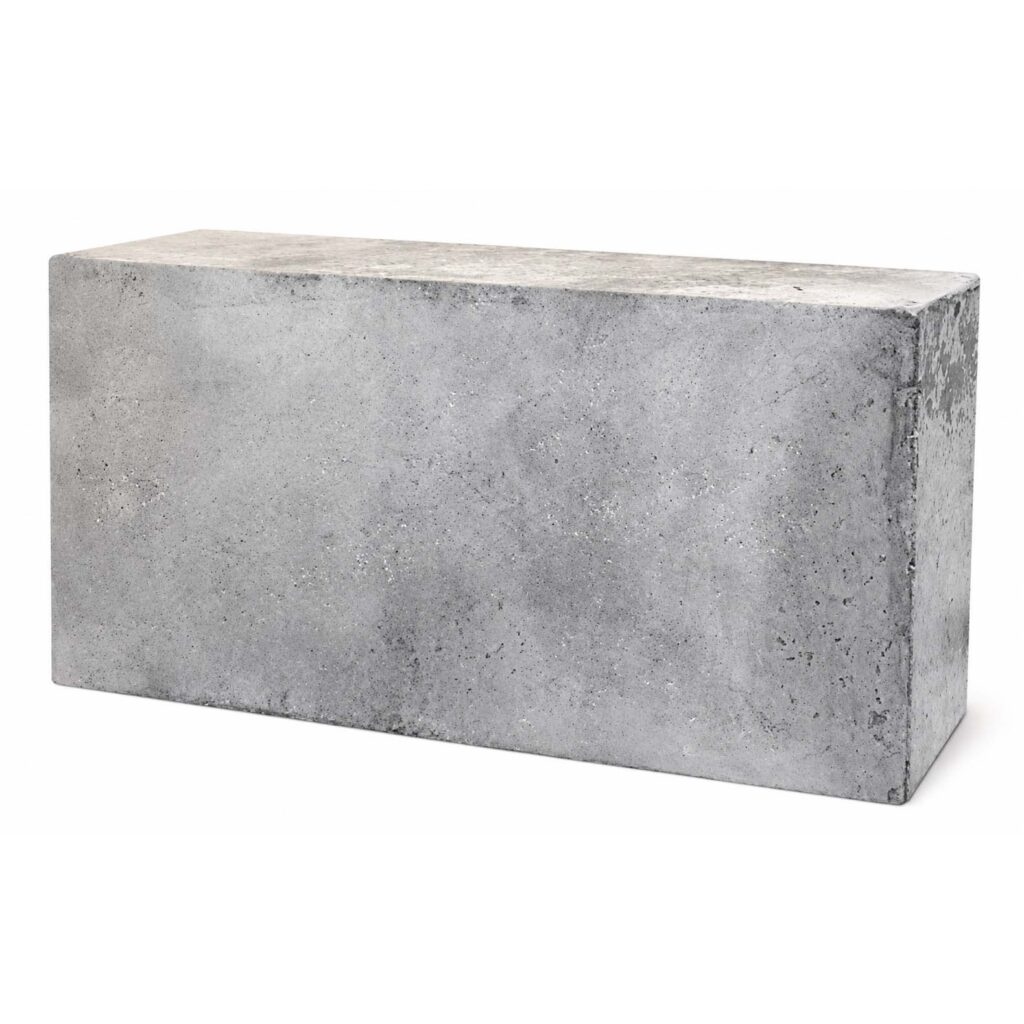
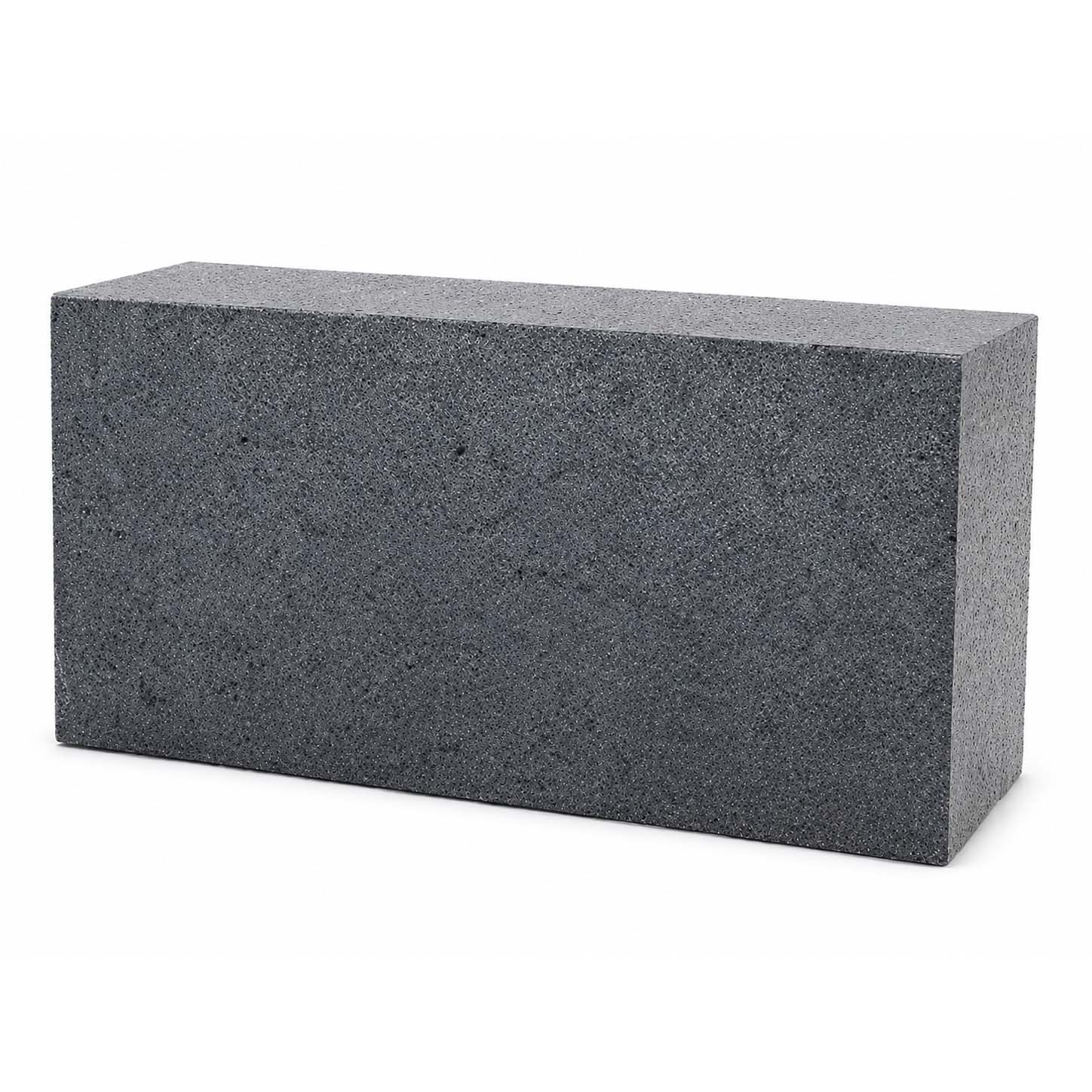
Silicon Carbide Brick
SiC Content: ≥20–90%
• Bulk Density: ≥2.3–2.7 g/cm³
• Apparent Porosity: ≤17–22%
• Cold Crushing Strength: ≥80–100 MPa
• Refractoriness Under Load: ≥1600–1700°C
• Function: Wear Resistance & Thermal Shock Resistance & High Thermal Conductivity & Chemical Corrosion Resistance
Product Introduction
Silicon Carbide Brick is a high-performance refractory brick manufactured with silicon carbide as the principal raw material. Different refractory powders, bonding materials and additives can be introduced according to the required chemical composition, mechanical strength and operating environment.
Silicon carbide has high strength at room and elevated temperatures, high thermal conductivity and a low thermal expansion coefficient. These characteristics give Silicon Carbide Brick good thermal shock resistance, wear resistance and stability under rapid temperature changes.
The brick also provides resistance to high-temperature gas scouring and chemical erosion under suitable operating conditions. It is widely used in steelmaking, non-ferrous metallurgy, petrochemical, power-generation, ceramic and other industrial thermal equipment.
According to the bonding system and manufacturing process, Silicon Carbide Brick can be divided into oxide-bonded, nitride-bonded, self-bonded, recrystallized and reaction-sintered silicon carbide products.
Feature:
- High silicon carbide content.
- High mechanical strength.
- Good high-temperature strength.
- High thermal conductivity.
- Low thermal expansion.
- Good thermal shock resistance.
- Good wear resistance.
- Good abrasion resistance.
- Good resistance to hot gas scouring.
- Good chemical stability.
- Good resistance to rapid heating and cooling.
- Stable performance under suitable operating conditions.
- Standard and customized shapes available.
Application:
Silicon Carbide Brick is mainly used as a working lining or wear-resistant refractory component in industrial furnaces and kilns.
Typical applications include:
- Steelmaking furnaces
- Non-ferrous metal furnaces
- Aluminum smelting equipment
- Petrochemical furnaces
- Power-generation boilers
- Waste incinerators
- Ceramic kilns
- Tunnel kilns
- Shuttle kilns
- Kiln furniture
- Furnace walls
- Furnace bottoms
- Burner areas
- High-temperature gas passages
- Areas exposed to material abrasion
- Refractory precast and shaped components
The appropriate type should be selected according to the operating temperature, furnace atmosphere, chemical environment, abrasion intensity and thermal cycling frequency. The reference manufacturer lists steel, non-ferrous metallurgy, petrochemical, power, ceramic and aerospace applications.
Technical Data:
| ltem | Oxide bond SiC brick | Green SiC brick | Corundum silicon carbide brick | Mullite silicon carbide brick | High alumina SiC brick |
| SiC, % | ≥90 | ≥90 | ≥70 | ≥65 | ≥20 |
| Al2O3, % | – | – | – | ≥20 | ≥55 |
| Fe2O3, % | ≤0.6 | ≤0.6 | ≤1.0 | ≤1.0 | ≤1.5 |
| Bulk density, g/cm3 | ≥2.6 | ≥2.6 | ≥2.7 | ≥2.3 | ≥2.5 |
| Apparent porosity, % | ≤17 | ≤17 | ≤22 | ≤20 | ≤20 |
| Cold crushing strength, MPa | ≥100 | ≥100 | ≥100 | ≥80 | ≥80 |
| Refractoriness under load (0.2MPa,0.6%) | ≥1650 | ≥1650 | ≥1700 | ≥1600 | ≥1600 |
The technical values above are based on the reference manufacturer’s published Silicon Carbide Brick table.