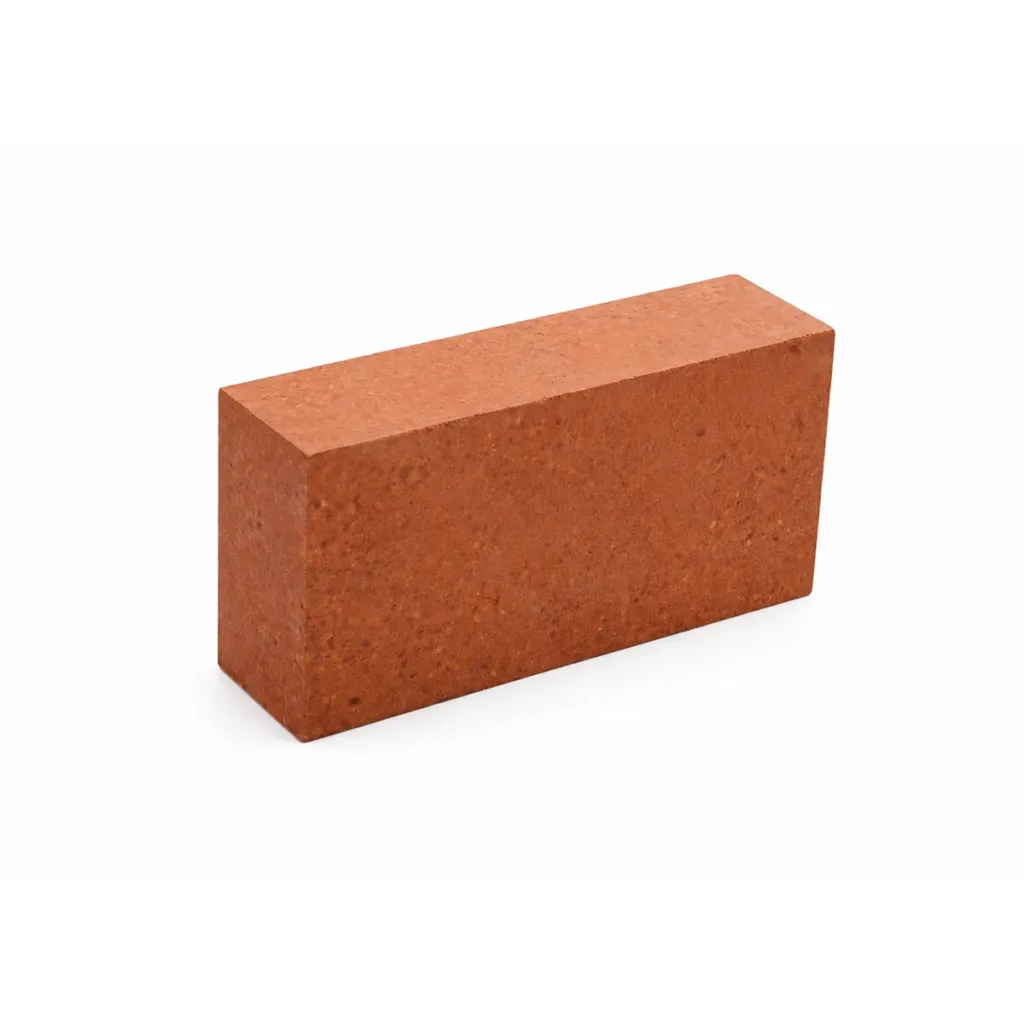
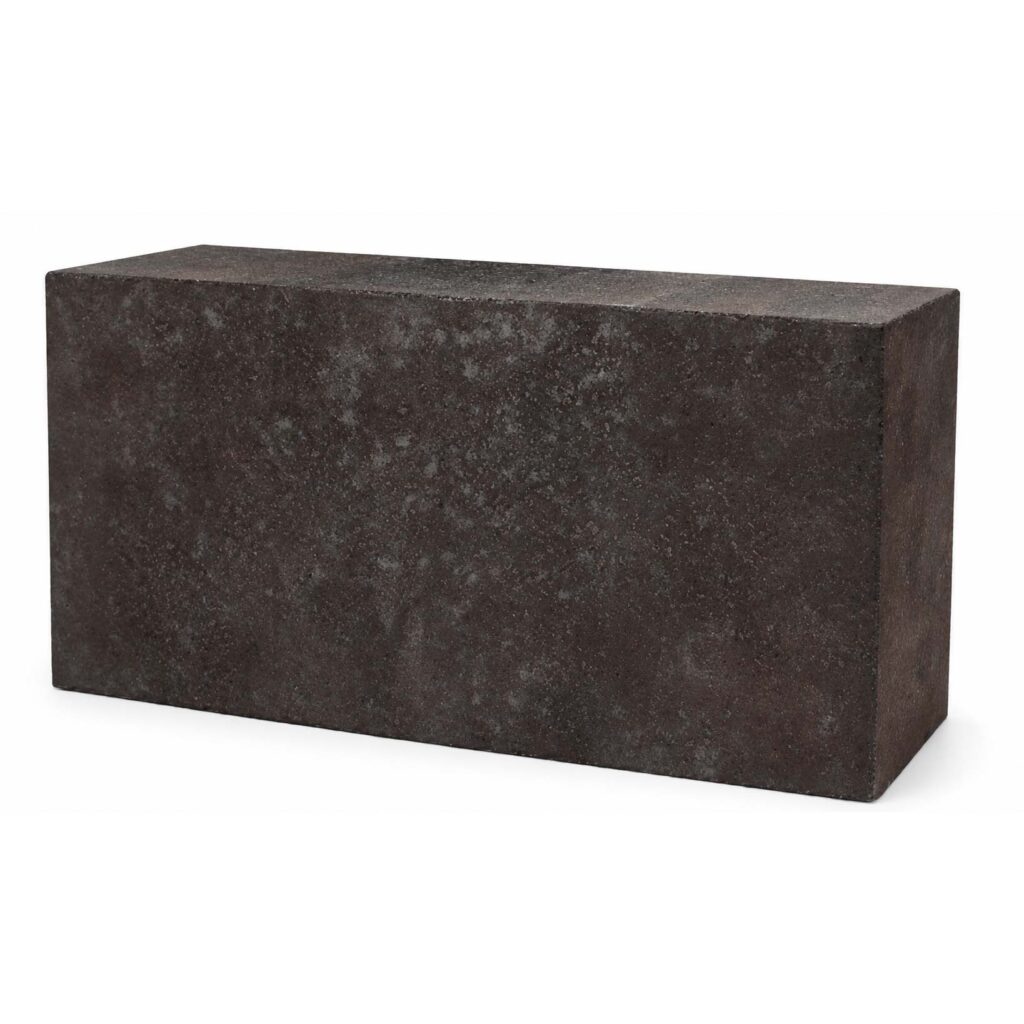
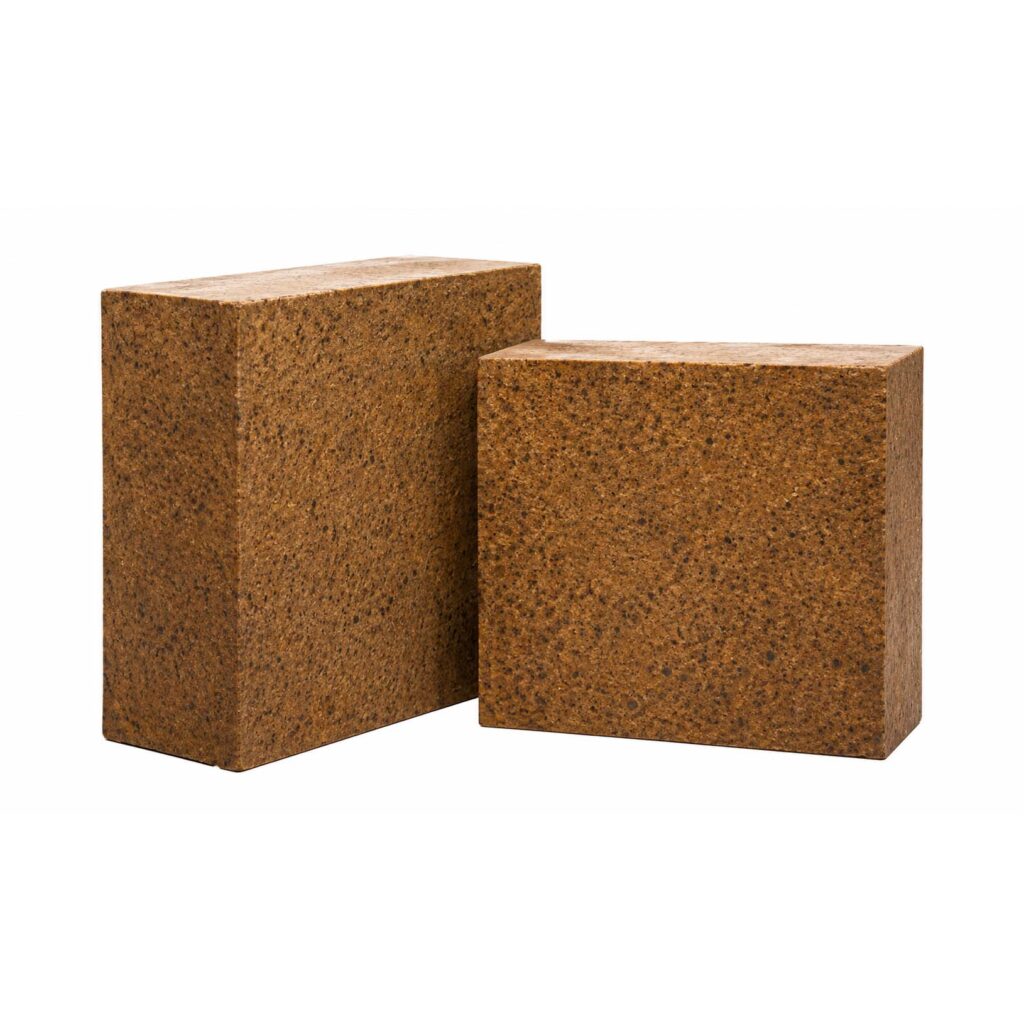
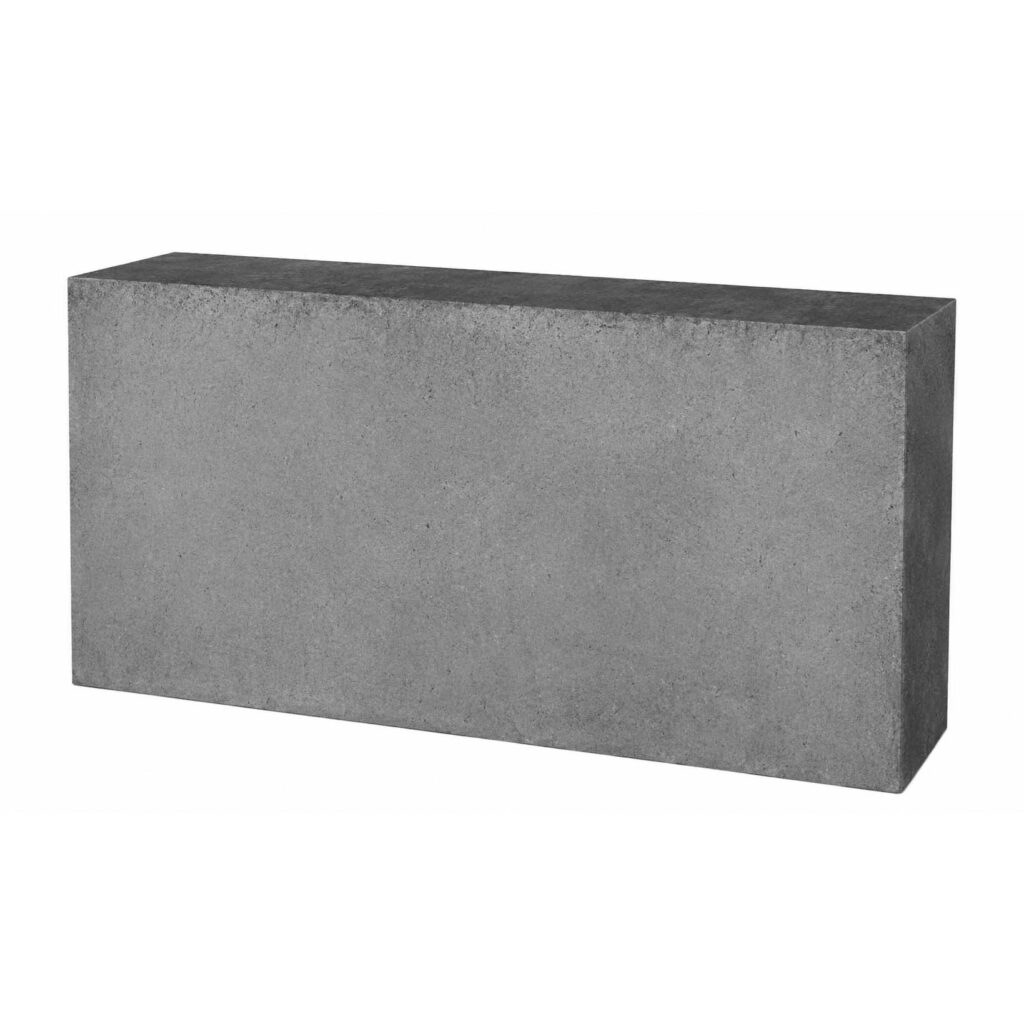
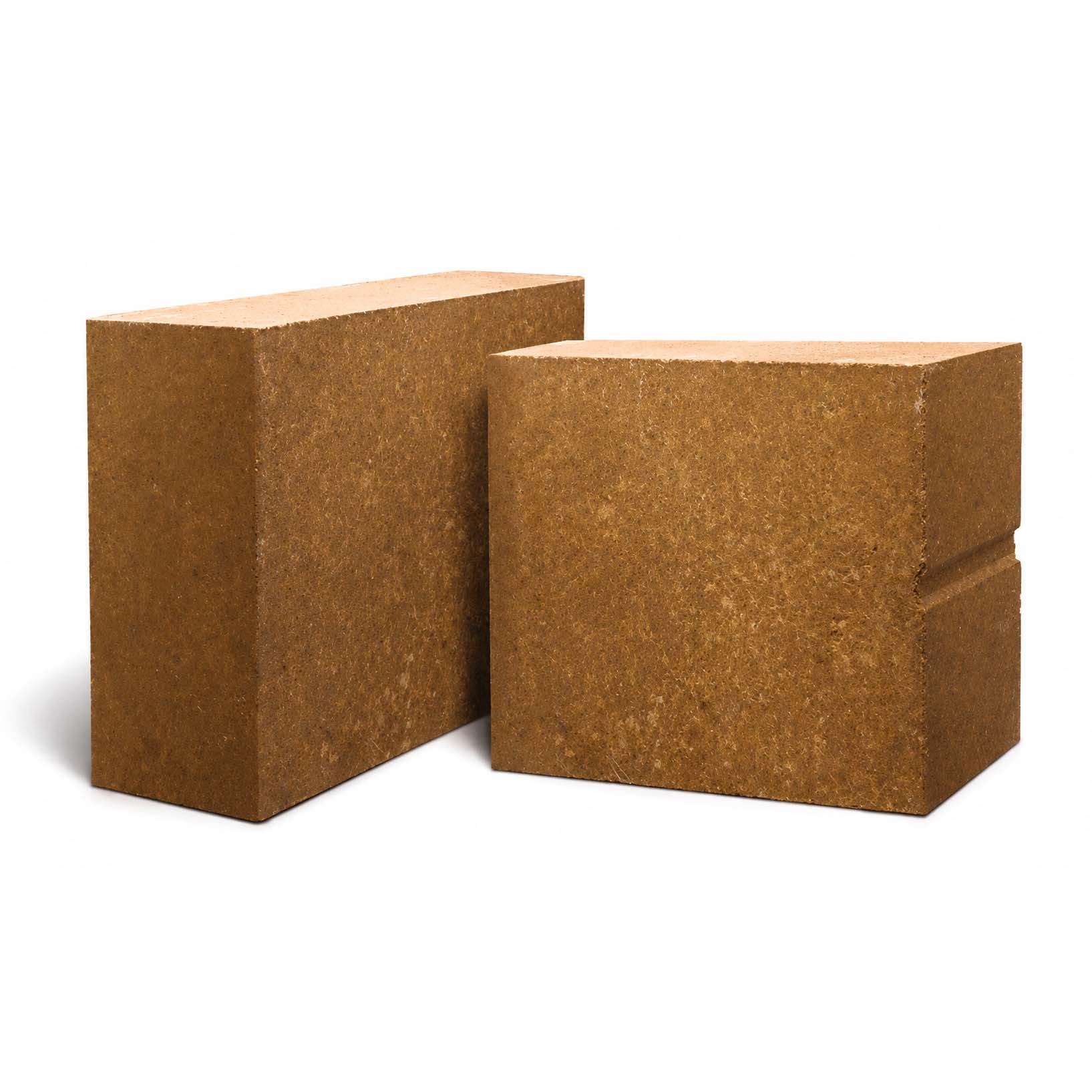
Magnesia Alumina Spinel Brick is a basic refractory brick manufactured from high-purity magnesia and pre-synthesized magnesia-alumina spinel clinker.
Periclase is the main crystalline phase, while magnesia-alumina spinel improves the structural stability and thermal shock performance of the brick. The selected raw materials are mixed, shaped under pressure and fired at high temperature to form a strong refractory structure.
Magnesia Alumina Spinel Brick provides good mechanical strength, high-temperature volume stability and resistance to temperature fluctuations. It is mainly used in cement rotary kilns as a chrome-free alternative to conventional magnesia chrome refractory bricks.
Because the product does not depend on chromium oxide for its main refractory performance, it helps avoid chromium-related contamination while providing good resistance to thermal spalling in cement kiln operating conditions.
Feature:
- Chrome-free refractory composition.
- High MgO content.
- Good thermal shock resistance.
- Good anti-spalling performance.
- Good high-temperature strength.
- Good high-temperature volume stability.
- Good resistance to temperature fluctuations.
- Good resistance to thermal stress.
- Suitable for cement rotary kiln linings.
- Environmentally friendly alternative to magnesia chrome brick.
- Stable performance under suitable operating conditions.
- Standard and customized shapes available.
Application:
Magnesia Alumina Spinel Brick is mainly used as a working lining in cement rotary kilns and other high-temperature equipment requiring good thermal shock and anti-spalling performance.
Typical applications include:
- Cement rotary kiln transition zones
- Upper transition zones
- Lower transition zones
- Cement kiln areas exposed to temperature fluctuations
- Cement kiln refractory lining replacement
- Chrome-free cement kiln lining systems
- Lime kilns
- High-temperature basic refractory linings
- Other thermal equipment requiring magnesia-spinel refractory materials
The reference manufacturer specifically recommends Magnesia Alumina Spinel Brick for cement kiln transition zones because of its chrome-free composition and good anti-spalling performance. It also identifies magnesia-alumina spinel as a material used in steelmaking refractory systems.
The appropriate grade should be selected according to kiln temperature, coating conditions, thermal cycling frequency, mechanical stress and the chemical environment inside the kiln.