Products
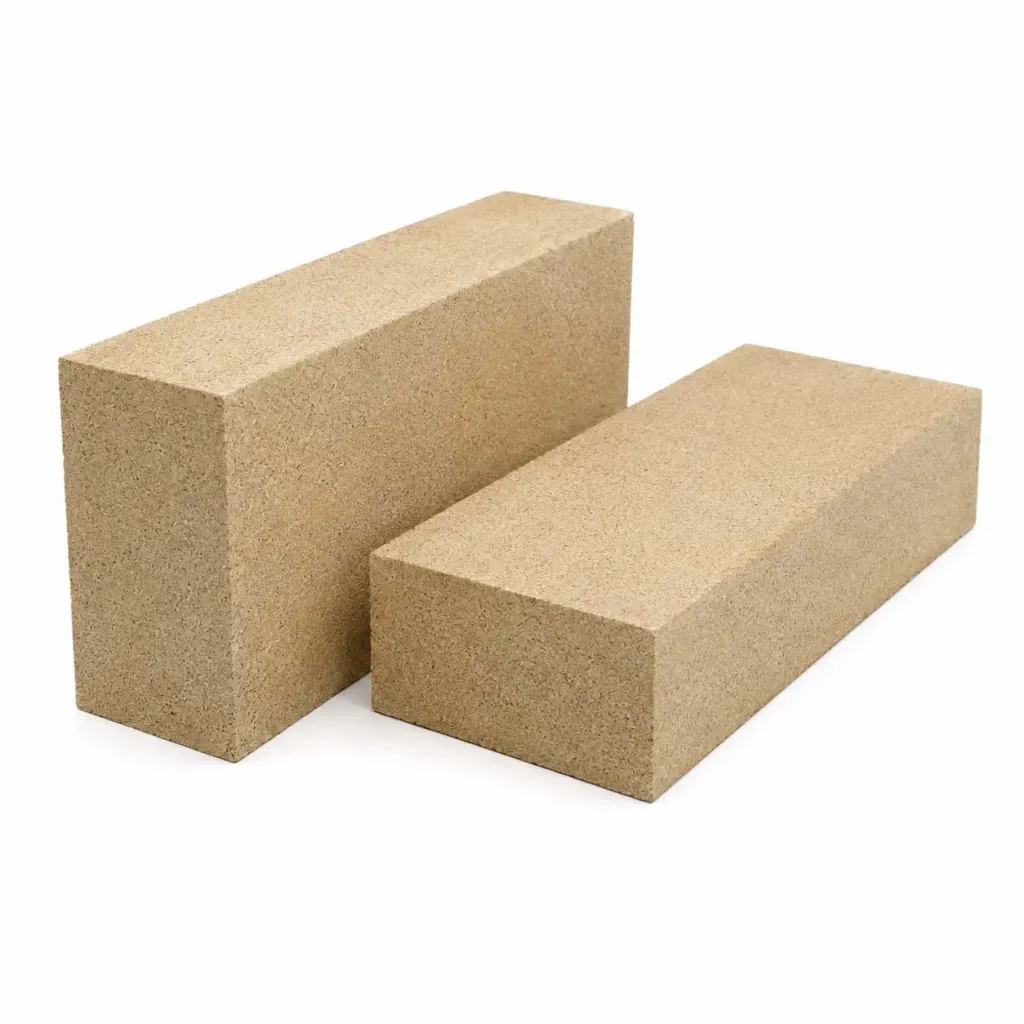
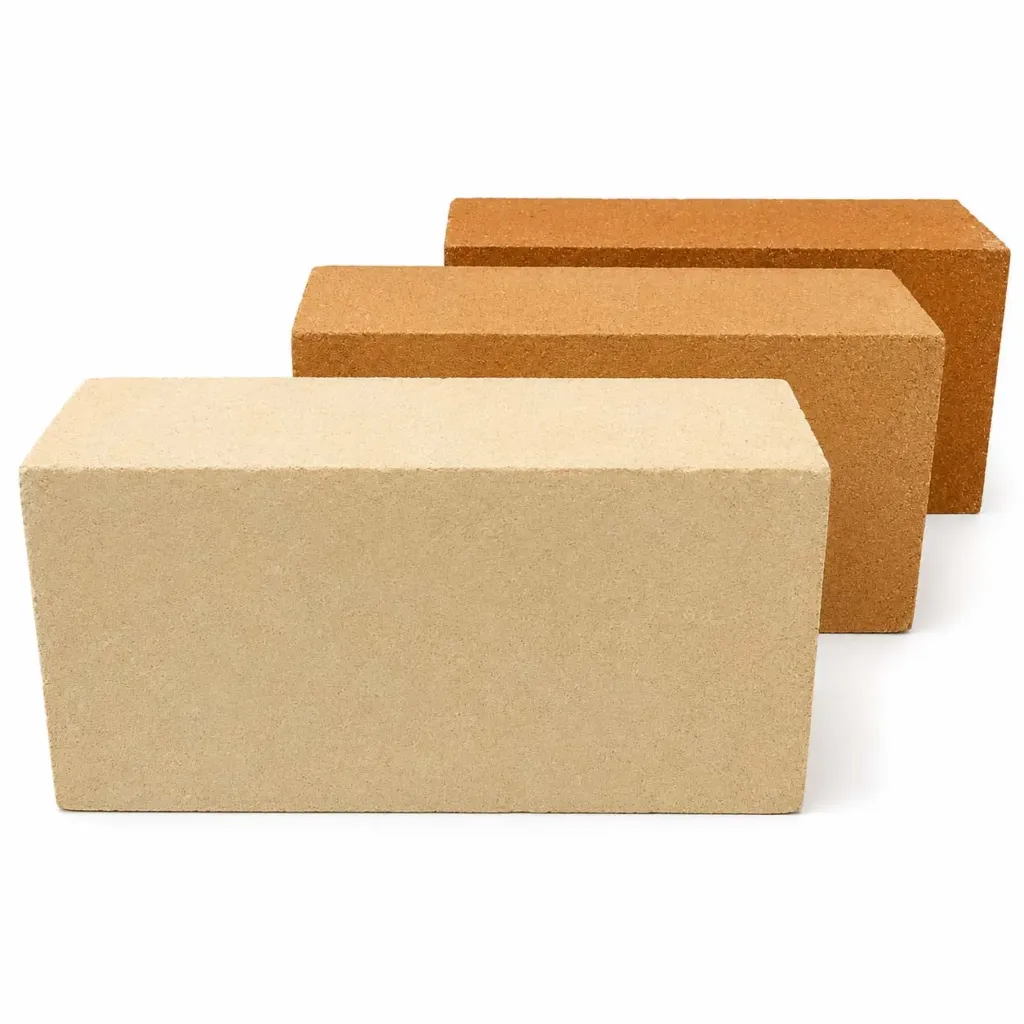
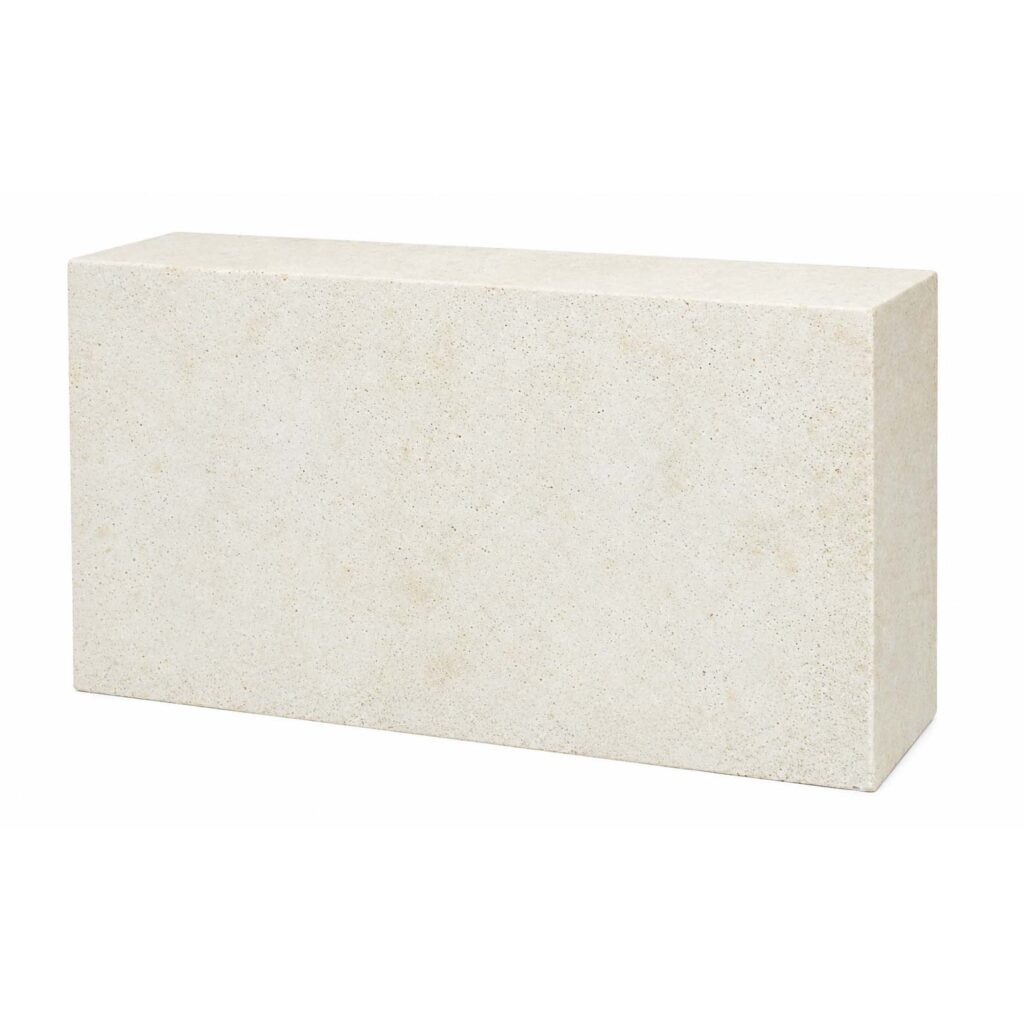
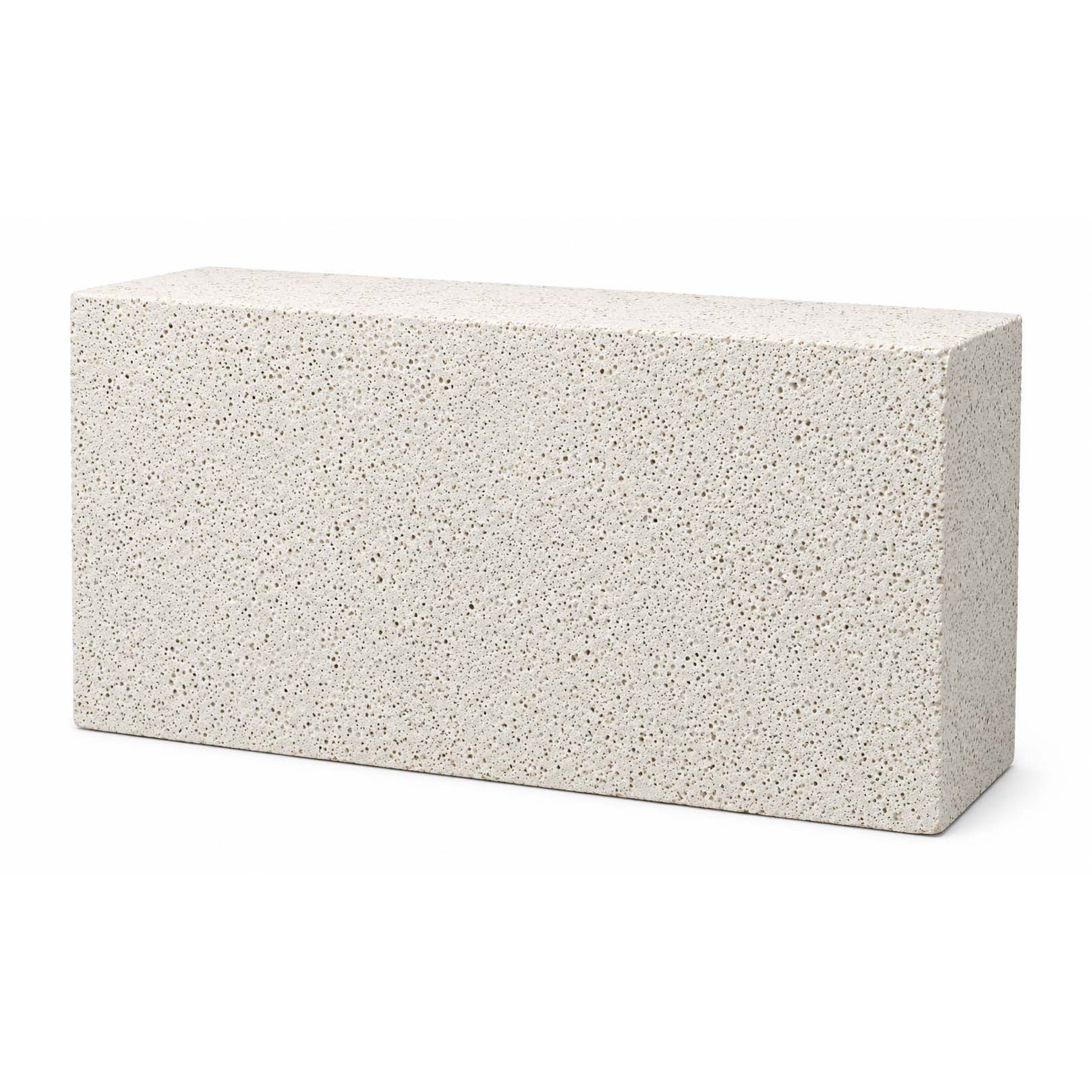
Mullite Insulation Brick
• Classification Temperature: 1260–1760°C
• Bulk Density: 0.55–1.25 g/cm³
• Al₂O₃ Content: 37–77%
• Cold Crushing Strength: 1.2–3.5 MPa
• Thermal Conductivity: 0.14–0.53 W/(m·K)
• Function: Lightweight & Low Heat Storage & Thermal Insulation & Energy Saving
Product Introduction
Mullite Insulation Brick is a lightweight alumina-silicate refractory product designed for thermal insulation in industrial furnaces, kilns and other high-temperature equipment.
It has low bulk density, low thermal conductivity and low heat storage capacity. These properties help reduce heat loss through furnace walls, lower the total weight of the furnace lining and improve thermal efficiency.
Mullite insulation bricks also provide good dimensional stability, mechanical strength and heat resistance at elevated temperatures. Different grades, including JM23, JM26, JM28, JM30 and JM32, are available for different operating temperature and insulation requirements.
The higher-temperature grades contain more alumina and have lower iron content. They are suitable for furnace lining systems that require reliable insulation performance and dimensional stability at high temperatures.
Features
- Low bulk density and lightweight structure.
- Low thermal conductivity.
- Low heat storage capacity.
- Good thermal insulation performance.
- High temperature resistance.
- Good dimensional stability at high temperatures.
- Good hot compressive strength.
- Low iron and alkali content.
- Good resistance to erosion and abrasion.
- Accurate dimensions and easy installation.
- Reduced furnace wall thickness and lining weight.
- Improved furnace thermal efficiency.
Applications
Mullite Insulation Brick can be used as a lightweight working lining or as a backup insulation layer in industrial furnaces and kilns.
Typical applications include:
- Blast furnaces
- Hot blast stoves
- Steel heating furnaces
- Heat treatment furnaces
- Ceramic roller kilns
- Ceramic firing kilns
- Tunnel kilns
- Shuttle kilns
- Glass furnace regenerators
- Carbon baking furnaces
- Aluminum reduction cells
- Petrochemical furnaces
- Electric furnaces
- Furnace walls and roofs
- Backup insulation behind dense refractory linings
For areas exposed to molten slag, heavy mechanical impact or severe abrasion, dense refractory materials should be installed as the working lining. Mullite insulation bricks can be used behind the working lining to reduce heat loss. The reference manufacturer lists metallurgical, ceramic, glass, carbon and aluminum electrolysis equipment among the main applications.
Technical Data:
| Brand | JM/K23 | JM/K26 | JM/K28 | JM/K30 | JM/K32 | |
| USA Brand | IFB2300 | IFB2600 | IFB2800 | IFB3000 | IFB3200 | |
| Classification Temperature (℃) | 1260 | 1430 | 1540 | 1650 | 1760 | |
| Bulk Density (g/cm3) | 0.55-0.62 | 0.78-0.8 | 0.88 | 1.03 | 1.25 | |
| Cold Crushing Strength (Mpa) | 1.2 | 1.6 | 2.1 | 2.5 | 3.5 | |
| Modulus of Rupture (Mpa) | 0.9 | 1.4 | 1.6 | 2.1 | 2.1 | |
| Reheating Linear Change (%) | 1230℃ | 1400℃ | 1510℃ | 1620℃ | 1730℃ | |
| CT-30 ℃X 8H | -0.5 | -0.5 | -0.5 | -0.9 | -0.9 | |
| Thermal Expansion 1000℃(%) | 0.5 | 0.7 | 0.8 | 0.9 | 1.1 | |
| Thermal conductivity(W/m.k) | 400℃ | 0.14 | 0.27 | 0.32 | 0.41 | 0.49 |
| 600℃ | 0.16 | 0.29 | 0.34 | 0.43 | 0.5 | |
| 800℃ | 0.18 | 0.31 | 0.36 | 0.44 | 0.51 | |
| 1000℃ | 0.2 | 0.33 | 0.38 | 0.45 | 0.53 | |
| Al2O3 (%) | 37 | 54 | 64 | 72 | 77 | |
| Fe2O3 (%) | 1 | 0.9 | 0.8 | 0.7 | 0.5 | |