Products
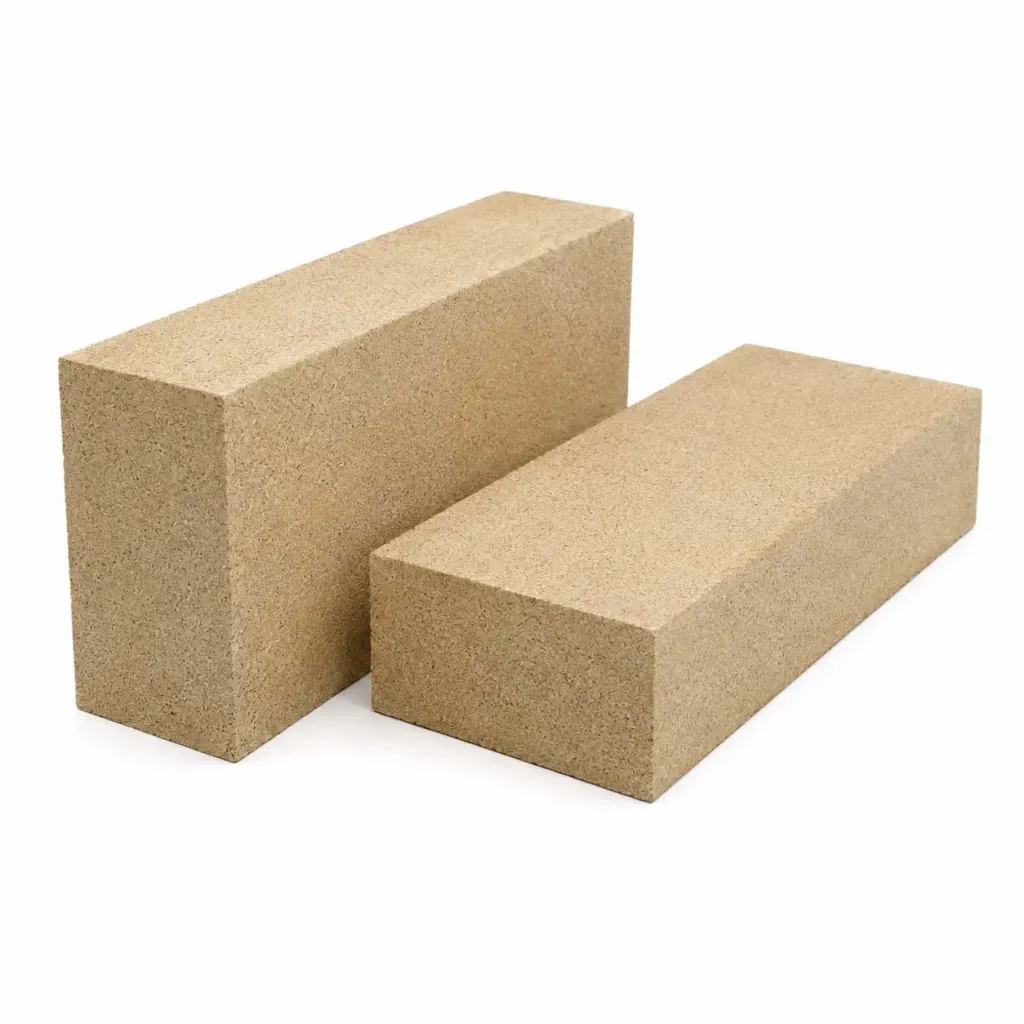
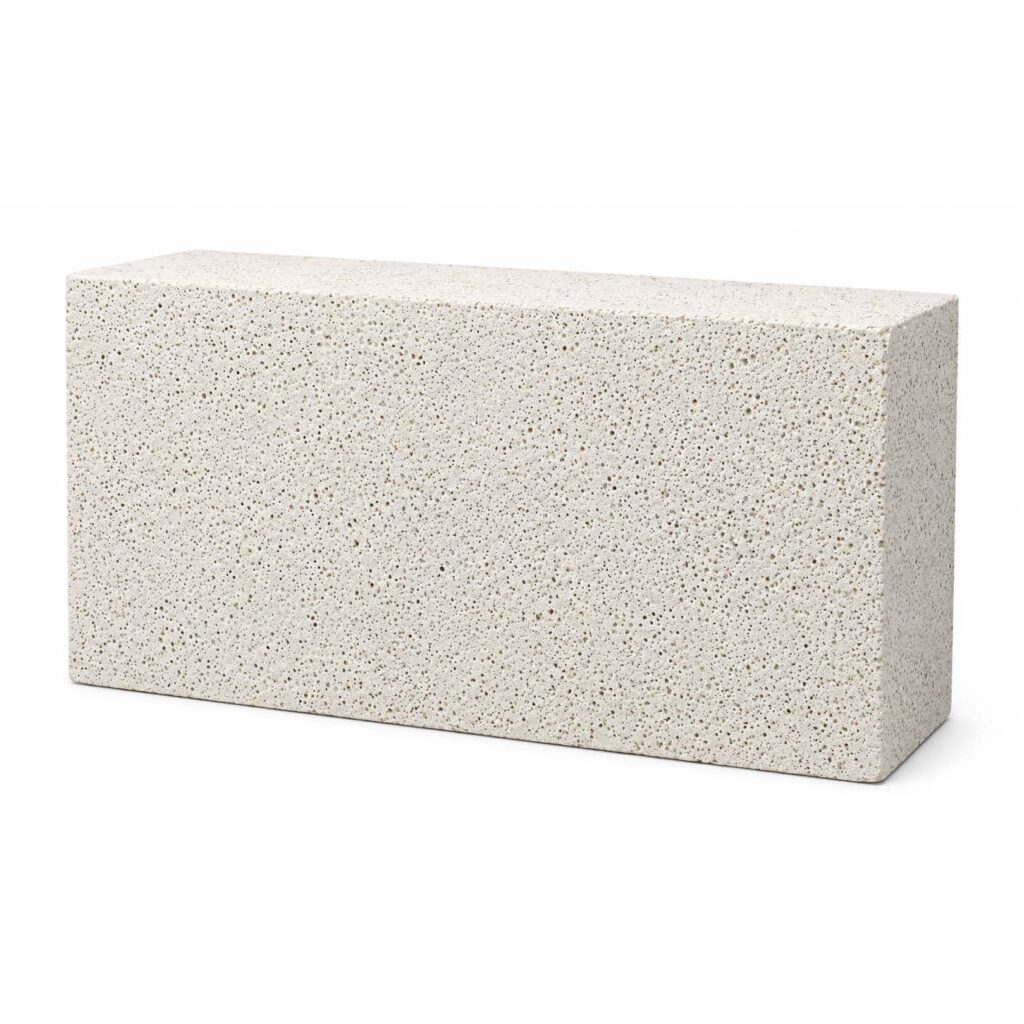
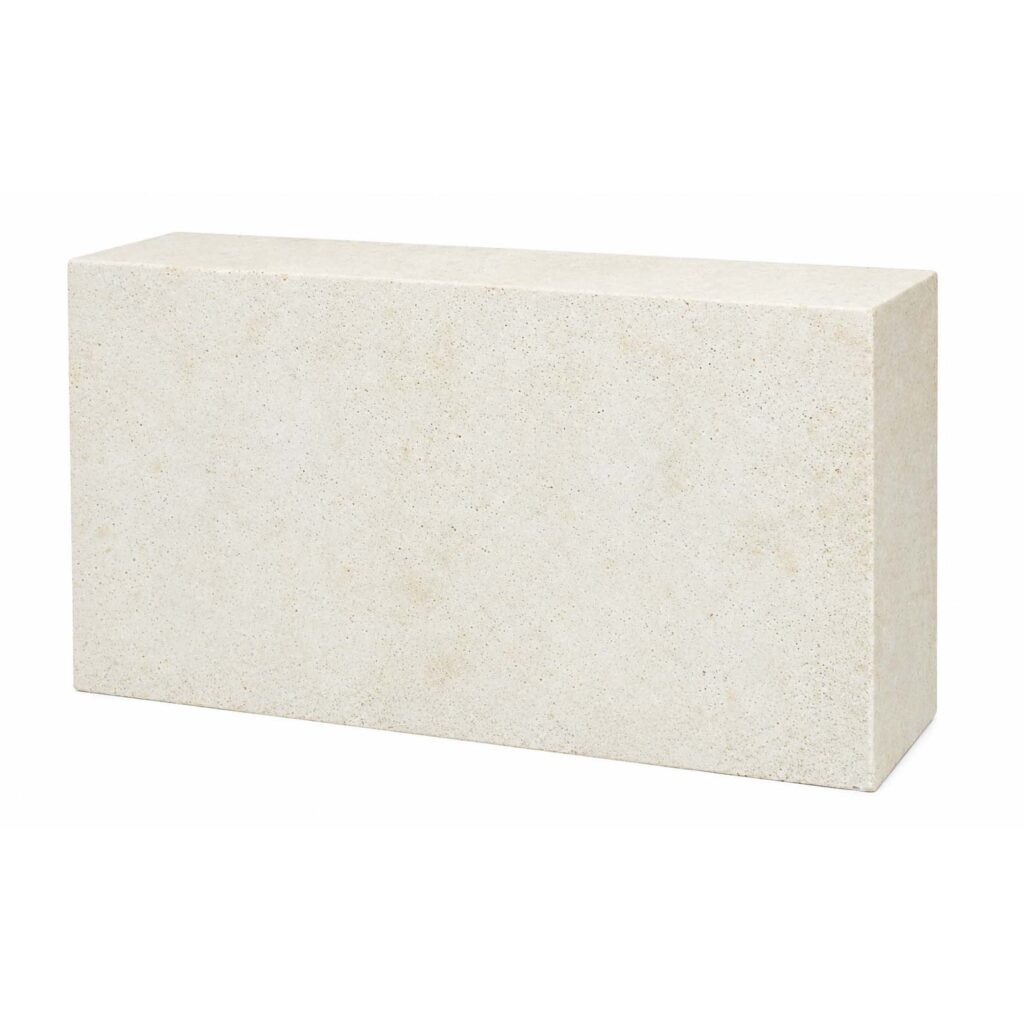
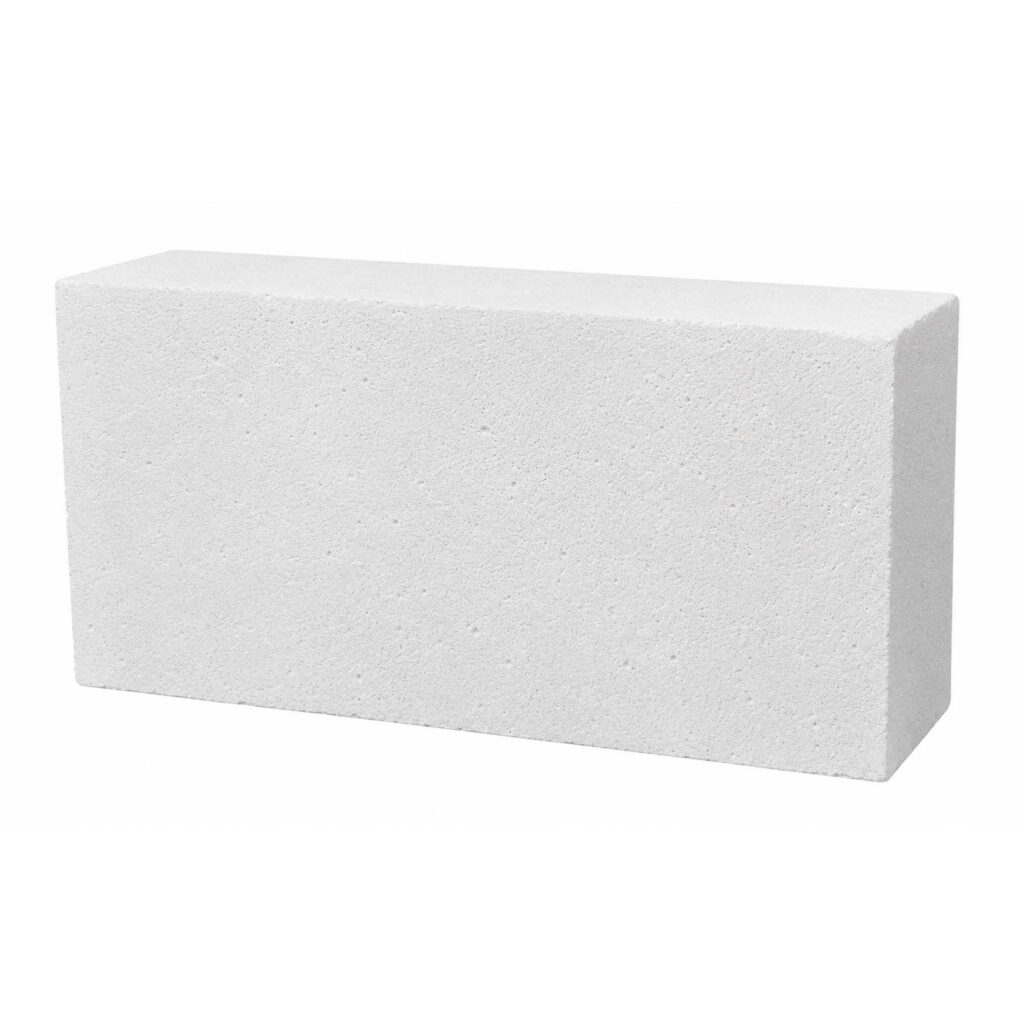
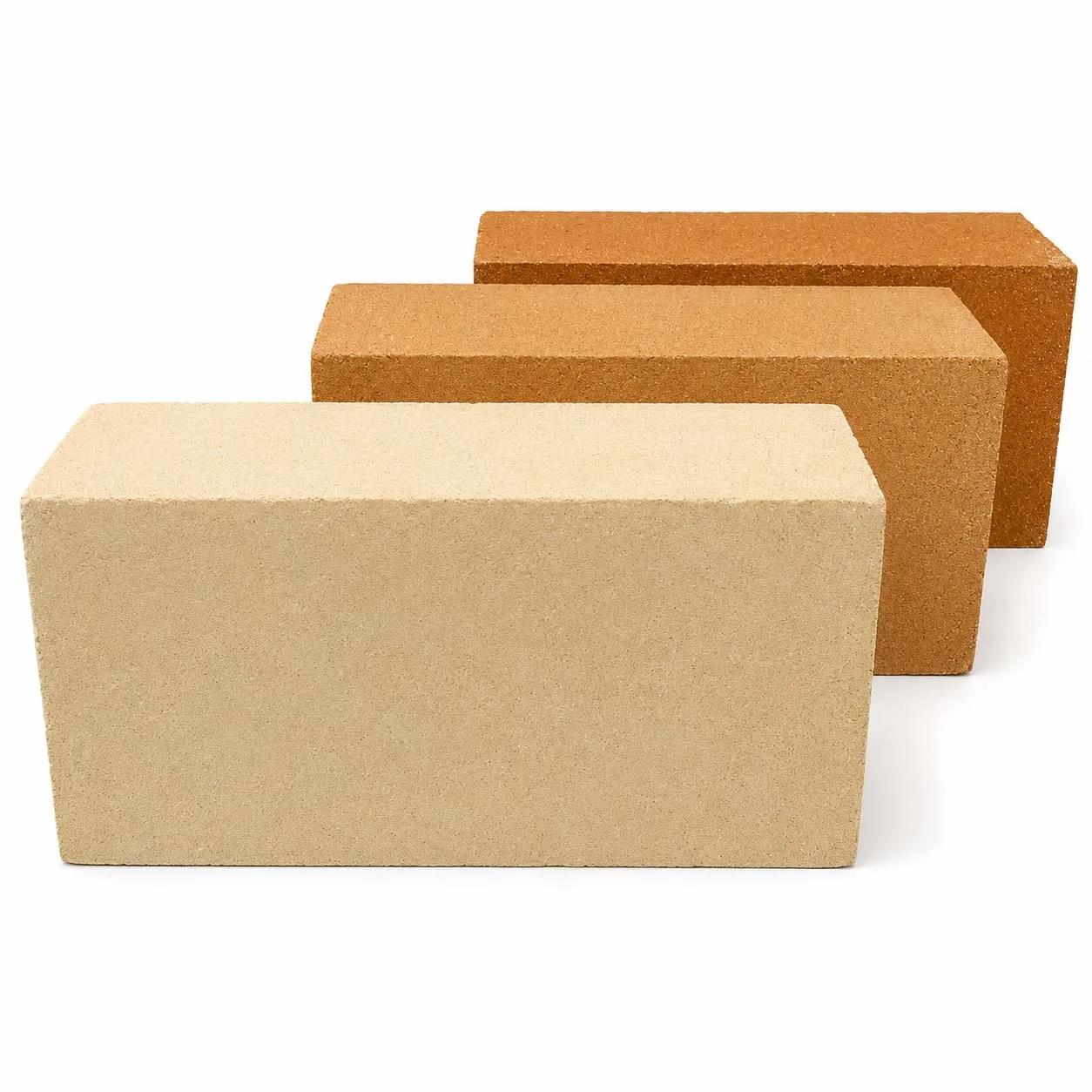
Fire Clay Insulation Brick
• Bulk Density: 0.55–1.50 g/cm³
• Al₂O₃ Content: 37–42%
• Standard Size: 240 × 115 × 90 mm
• Max Service Temperature: 1150–1400°C
• Apparent Porosity: 40–80%
• Function: Lightweight & Thermal Insulation & Low Thermal Conductivity & Energy Saving
Product Introduction
Fire Clay Insulation Brick is a lightweight refractory insulation material made from high-quality fire clay, refractory aggregates, binders and pore-forming materials. The raw materials are mixed, shaped, dried and fired at high temperature to form a uniform porous structure.
The porous structure gives the brick low bulk density, low thermal conductivity and low heat storage capacity. It can reduce heat transfer through furnace walls and improve the thermal efficiency of industrial furnaces and kilns.
Compared with dense fire clay brick, Fire Clay Insulation Brick is lighter and provides better thermal insulation. It is generally used as a lightweight furnace lining or as a backup insulation layer behind dense refractory materials.
Features
- Low bulk density.
- Low thermal conductivity.
- Good thermal insulation performance.
- Low heat storage capacity.
- Good thermal shock resistance.
- Low thermal expansion.
- Uniform internal structure.
- Easy to cut and install.
- Reduced furnace lining weight.
- Good energy-saving performance.
Applications
Fire Clay Insulation Brick is mainly used for hot-face insulation linings and backup insulation layers in industrial furnaces and other high-temperature equipment.
Typical applications include:
- Industrial furnace insulation
- Ethylene pyrolysis furnaces
- Tubular furnaces
- Synthetic ammonia reforming furnaces
- Gas generators
- Ceramic kilns
- Shuttle kilns
- Tunnel kilns
- Heat treatment furnaces
- Industrial boilers
- Furnace walls and roofs
- Backup insulation behind dense refractory linings
Fire Clay Insulation Brick is suitable for areas with limited mechanical load, abrasion and chemical erosion. For areas exposed to molten slag, heavy impact or severe abrasion, dense refractory bricks should be used as the working lining.
Technical Data:
| Brand | FCIB-0.5 | FCIB-0. 6 | FCIB-0. 8 | FCIB-1.0 | FCIB-1.3 | FCIB-1.5 | |
| USA Brand | ISO125-0.5 | ISO125-0.6 | ISO135-0.8 | ISO135-1.0 | ISO140-1.2 | ISO140-1.5 | |
| Max Service Temperature (℃) | 1150 | 1200 | 1280 | 1300 | 1350 | 1400 | |
| Bulk Density (g/cm3) | 0.55 | 0.6 | 0.8 | 1 | 1.3 | 1.5 | |
| Apparent Porosity % | 80 | 70 | 60 | 55 | 50 | 40 | |
| Cold Crushing Strength (Mpa) ≥ | 1.5 | 2 | 2.5 | 3 | 4 | 6 | |
| Reheating Linear Change (%) ℃X 12H ≤ | 1250℃ -0.5 | 1300℃ -0.5 | 1350℃ -0.5 | 1350℃ -0.9 | 1350℃ -0.9 | 1350℃ -0.9 | |
| Thermal conductivity(W/m.k) | 400℃ | 0.14 | 0.25 | 0.35 | 0.41 | 0.51 | 0.6 |
| 600℃ | 0.16 | 0.29 | 0.45 | 0.43 | 0.61 | 0.71 | |
| 800℃ | 0.18 | 0.31 | 0.5 | 0.44 | 0.67 | 0.77 | |
| 1000℃ | 0.2 | 0.33 | 0.6 | 0.45 | 0.8 | 0.9 | |
| Al2O3 (%) | 37 | 40 | 40 | 40 | 40 | 42 | |
| Fe2O3 (%) | 1 | 1.5 | 1.5 | 1.5 | 2 | 2 | |
| SiO2 | 44 | 55 | 55 | 55 | 55 | 55 | |