Products
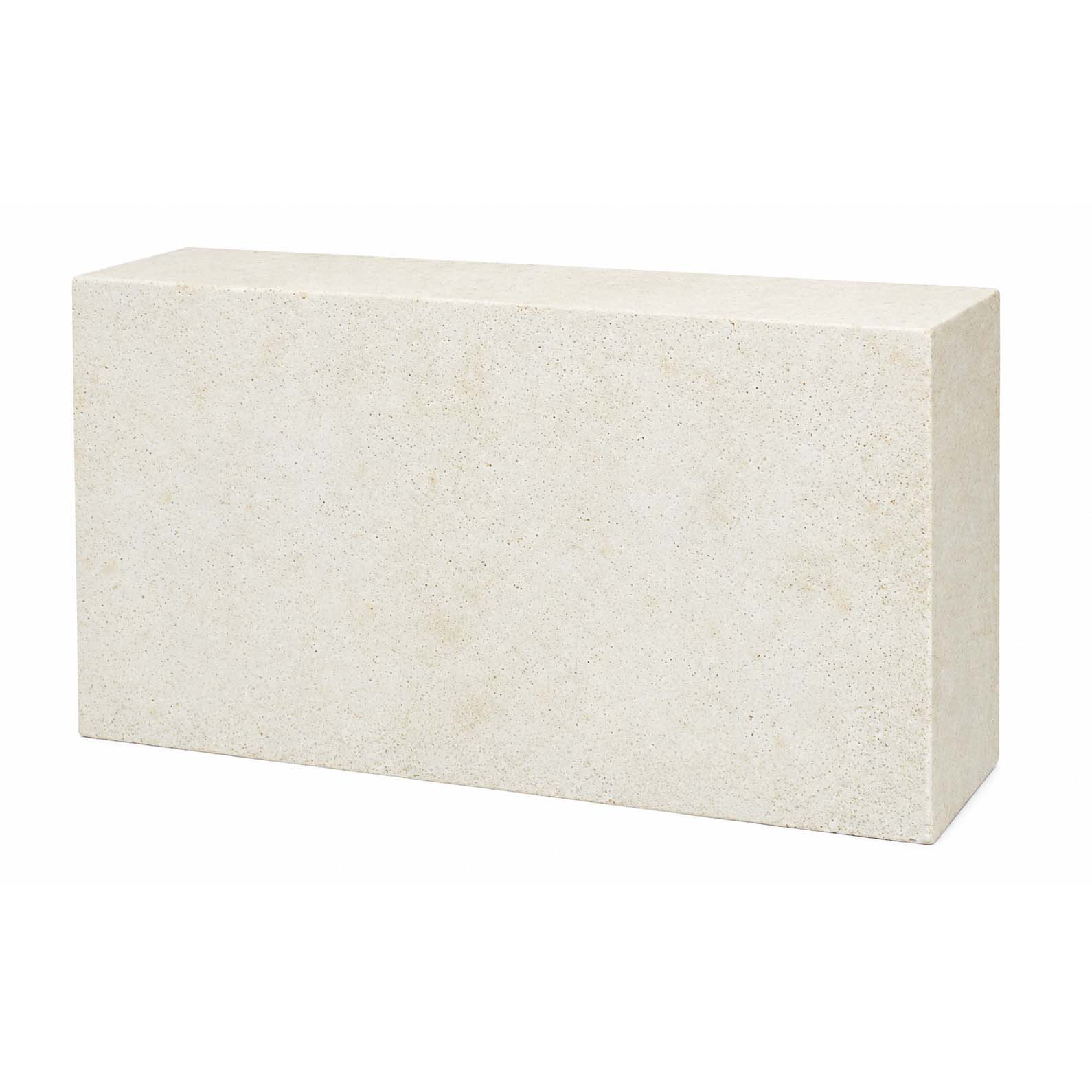
Silica Insulation Brick
• SiO₂ Content: ≥88–91%
• Bulk Density: ≤0.85–1.20 g/cm³
• Cold Crushing Strength: ≥1.0–5.0 MPa
• Refractoriness Under Load: ≥1400–1520°C
• Thermal Conductivity at 350°C: 0.55–0.70 W/(m·K)
• Function: Lightweight & Thermal Insulation & Acid Resistance & Energy Saving
Product Introduction
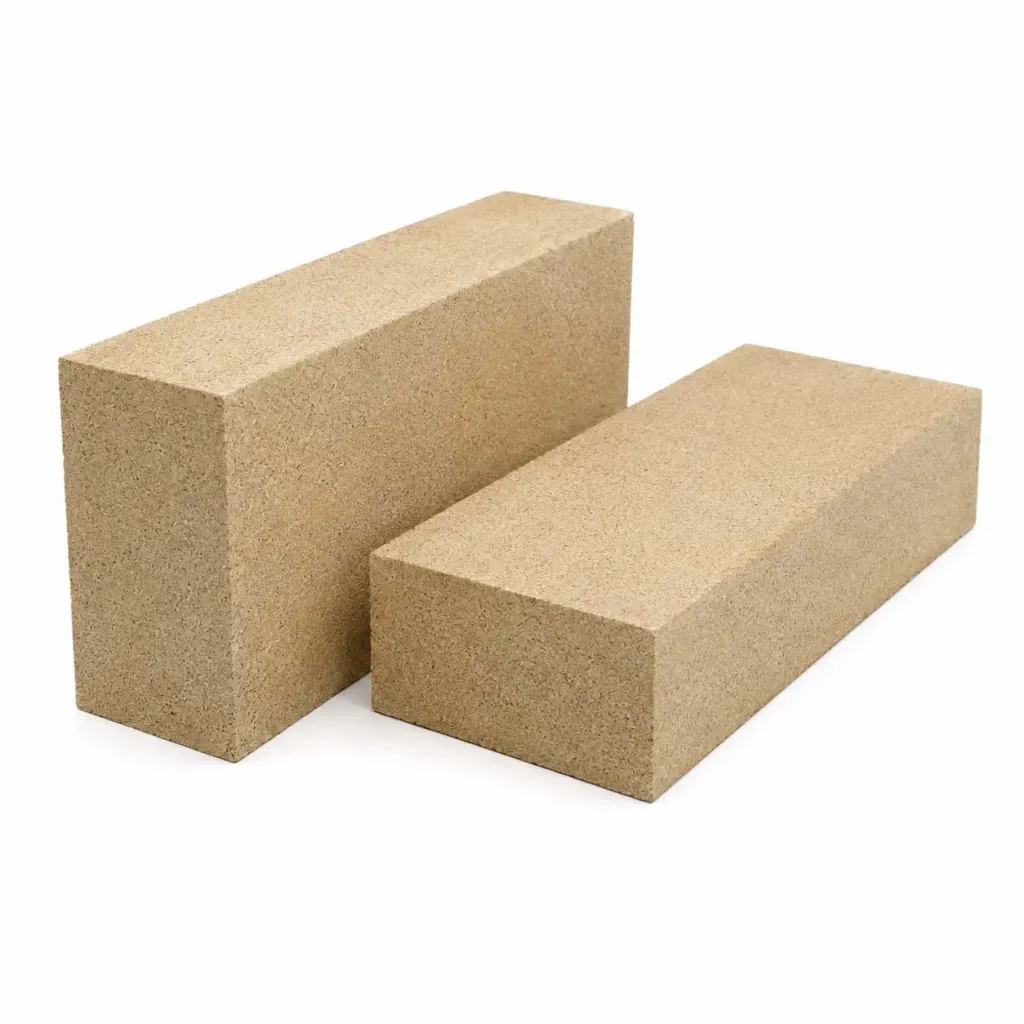
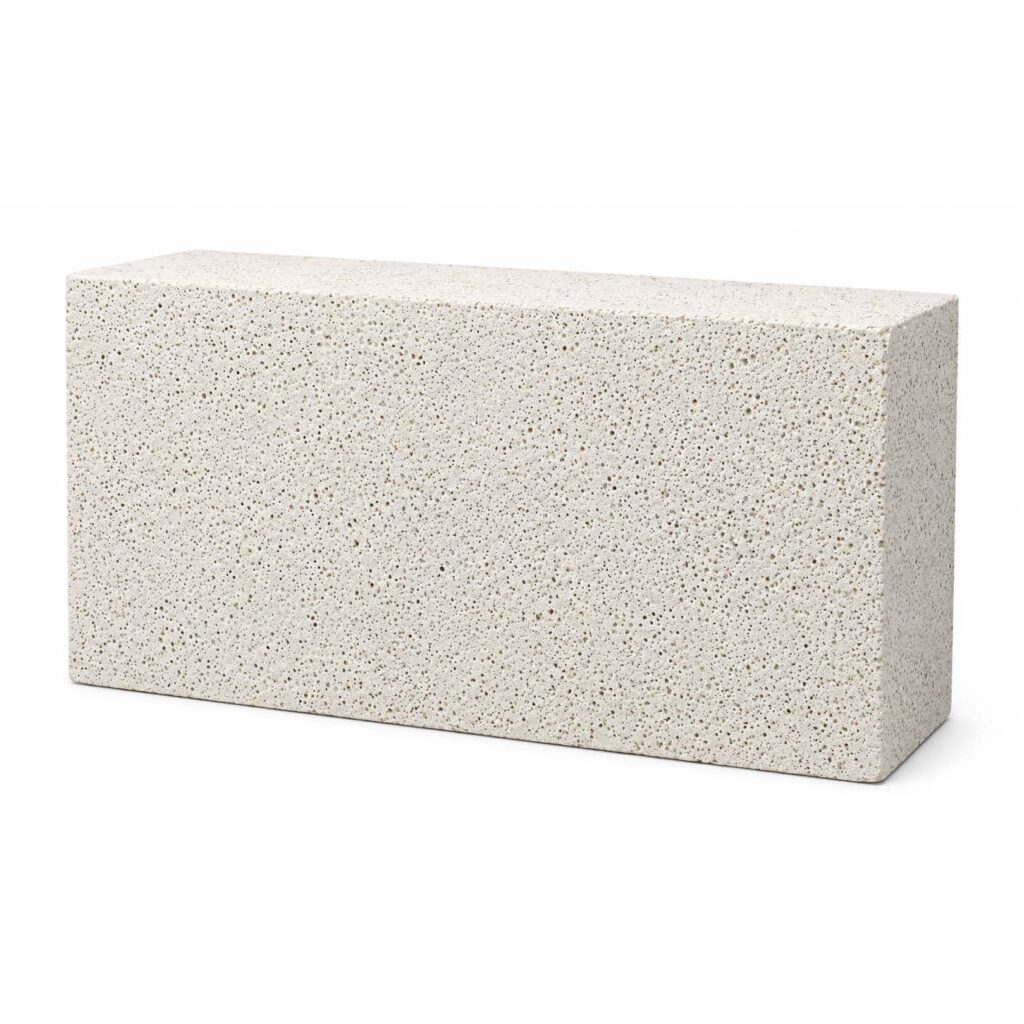
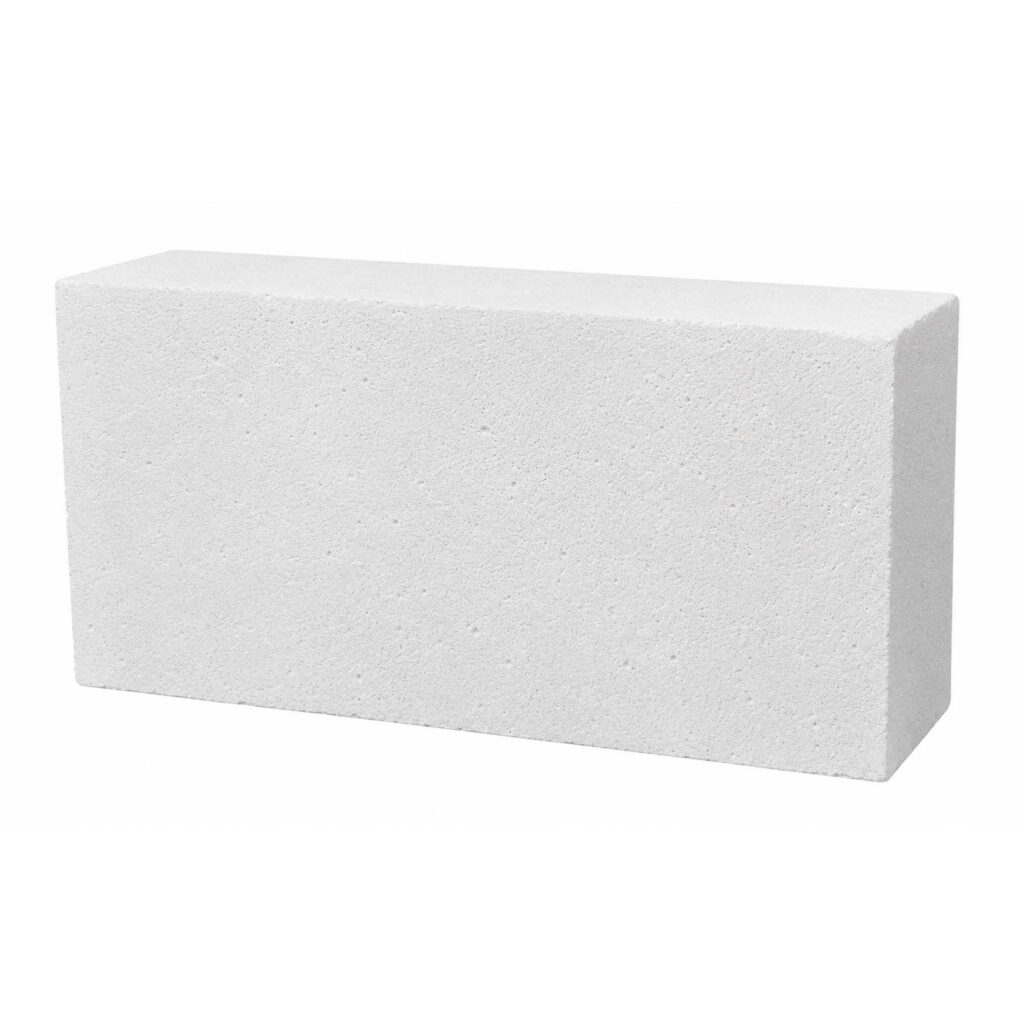
Silica Insulation Brick is a lightweight refractory insulation material mainly made from high-quality silica raw materials. During production, pore-forming materials are added to create a uniform porous structure inside the brick.
The porous structure gives the product low bulk density, low thermal conductivity and low heat storage capacity. It helps reduce heat transfer through furnace walls, decrease the total weight of the furnace lining and improve the thermal efficiency of high-temperature equipment.
Silica insulation bricks contain a high proportion of silica and provide good dimensional stability at elevated temperatures. They are especially suitable for high-temperature furnace areas where an acid-resistant lightweight insulation material is required.
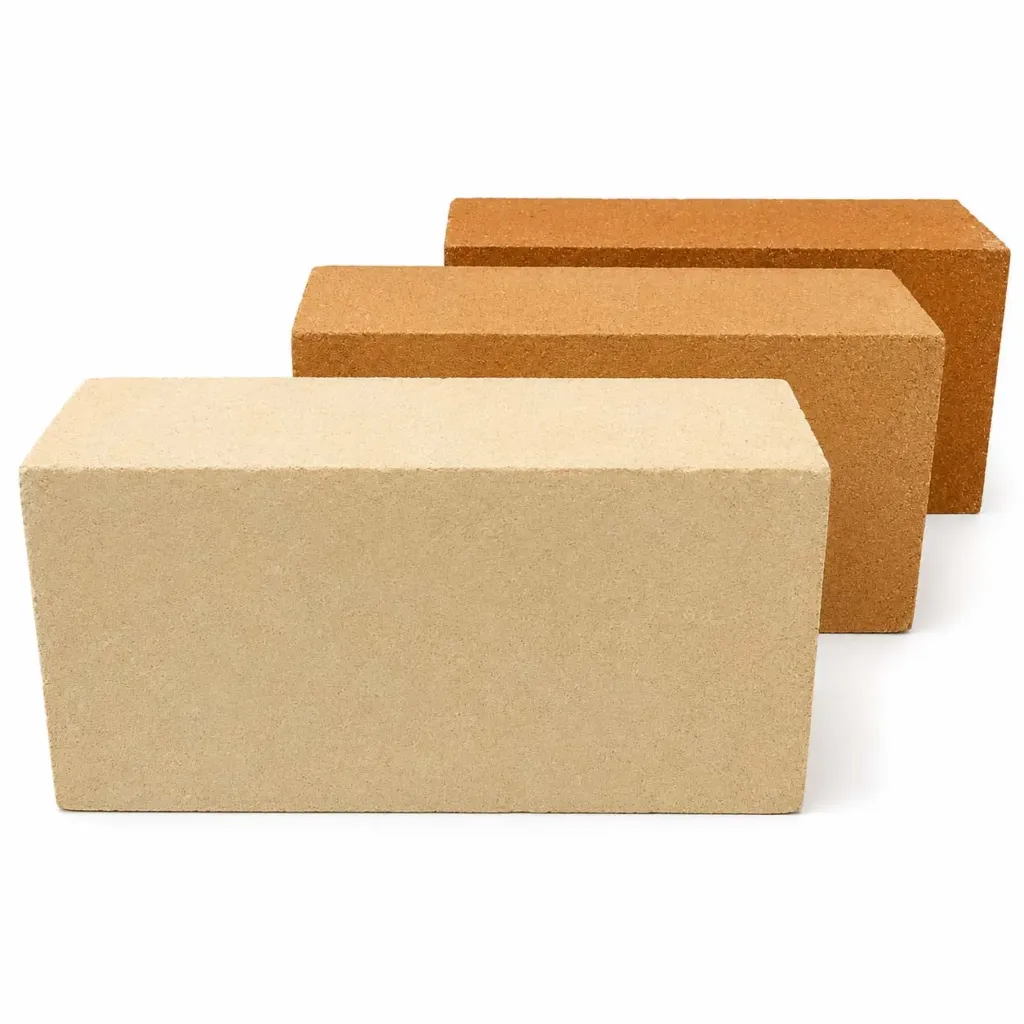
Different grades are available with bulk densities from approximately 0.85 to 1.20 g/cm³. The main technical differences between grades are density, compressive strength, thermal conductivity and refractoriness under load.
Features
- Low bulk density.
- Low thermal conductivity.
- Good thermal insulation performance.
- Low heat storage capacity.
- High silica content.
- Good resistance to acid gas and acid slag.
- Good mechanical strength at high temperatures.
- Stable volume at elevated temperatures.
- Good thermal shock resistance.
- Reduced furnace lining weight.
- Improved furnace energy efficiency.
- Accurate dimensions and easy installation.
Applications
Silica Insulation Brick is mainly used as a thermal insulation lining or backup insulation layer in high-temperature industrial furnaces and kilns.
Typical applications include:
- Glass furnaces
- Coke ovens
- Hot blast stoves
- Steel industry furnaces
- Ceramic kilns
- Carbon furnaces
- Furnace walls
- Furnace roofs
- Regenerator chambers
- High-temperature kiln insulation
- Backup insulation behind dense silica bricks
- Other high-temperature industrial equipment
Silica insulation bricks are commonly used in furnace areas that require good high-temperature volume stability and resistance to acidic working environments. For areas exposed to heavy mechanical impact, severe abrasion or direct molten material contact, dense refractory bricks should be used as the working lining, with silica insulation bricks installed behind them as the insulation layer.
Technical Data:
| Item | QG-0.8 | QG-1.0 | QG-1.1 | QG-1.15 | QG-1.2 |
| SiO2 % | ≥88 | ≥91 | ≥91 | ≥91 | ≥91 |
| Bulk Density g/cm3 | ≤0.85 | ≤1.00 | ≤1.10 | ≤1.15 | ≤1.20 |
| Cold Crushing Strength Mpa | ≥1.0 | ≥2.0 | ≥3.0 | ≥5.0 | ≥5.0 |
| 0.2Mpa Refractoriness Under Load T0.6 ℃ | ≥1400 | ≥1420 | ≥1460 | ≥1500 | ≥1520 |
| Permanent Linear Change On Reheating(%)1450℃X2h | 0~+0.5 | 0~+0.5 | 0~+0.5 | 0~+0.5 | 0~+0.5 |
| 20-1000℃ Thermal Expansion 10-6/℃ | 1.3 | 1.3 | 1.3 | 1.3 | 1.3 |
| Thermal Conductivity (W/MK) 350℃ | 0.55 | 0.55 | 0.6 | 0.65 | 0.7 |
The technical data above are typical reference values. Final specifications may vary according to raw materials, product dimensions, production process and testing methods. Custom sizes and special shapes are available according to furnace drawings and project requirements.